Only 30% of homeowners schedule regular AC maintenance. The rest wait until something breaks — usually on the hottest day of summer. AC tune-up what to expect in Utah: we’ll walk you through it step by step, from what happens during the appointment to why it matters.
At 4,300 feet in Salt Lake City (and higher in Park City), your AC works harder than it would at sea level. Add 100-degree summer days, bone-dry air that kicks up dust, and wildfire smoke that clogs filters, and you’ve got conditions that demand more attention, not less.
An annual tune-up isn’t just about keeping your warranty valid. It’s about catching problems before they leave you stranded in July.
If your AC needs attention before summer hits, give us a call at (801) 997-8909. Our $69 tune-up covers everything we’re about to describe.
What Is an AC Tune-Up? (And Why Most Utah Homeowners Skip the One Thing That Saves Them Money)
An AC tune-up is the same as AC maintenance or an annual inspection. It’s a planned checkup where a tech goes through your system looking for anything that could fail.
According to the U.S. Department of Energy, a well-maintained HVAC system can save you up to 30% on cooling costs. That’s real money during a Utah summer when your AC runs for months straight.
Systems that get annual maintenance last 15 to 20 years. Systems that don’t? They fail years earlier, often when you can least afford a replacement.
Utah makes this more critical. The altitude means your system has to push air that’s thinner and less dense — extra work for the blower and compressor. The dry climate means dust piles up faster in your outdoor unit. Temperature swings from 100-degree days to sub-zero winters stress electrical parts harder than they would in milder climates.
So are AC tune-ups necessary? Yeah. Especially here. For more on why regular maintenance matters, check out our essential HVAC maintenance tips.
Before Your AC Maintenance Appointment: What to Prepare
A little prep work makes the appointment go smoother and faster.
Clear a path to your outdoor unit. Move toys, yard equipment, and bikes — anything within a couple feet of the condenser. The tech needs to get all the way around it to check electrical connections and clean the coils. If you’ve got bushes or plants crowding the unit, trim them back at least 18 inches.
Inside, make sure the tech can get to your furnace or air handler. If it’s in a closet, clear out the Christmas decorations. If it’s in the attic, make sure the access panel isn’t blocked.
Jot down any issues you’ve noticed. Strange sounds? Rooms that don’t cool evenly? Higher-than-usual electric bills?
Know where your thermostat and breaker panel are. The tech will need to test both during the appointment.
You don’t need to change your filter beforehand — the tech will check it. But if you want to knock out that task yourself, we’ve got a spring AC startup checklist that walks you through the easy DIY stuff.
When the tech arrives, they’ll introduce themselves, explain what they’re going to do, and get to work. Most tune-ups take 60 to 120 minutes depending on what they find.
AC Tune-Up What to Expect: The Outdoor Unit Inspection

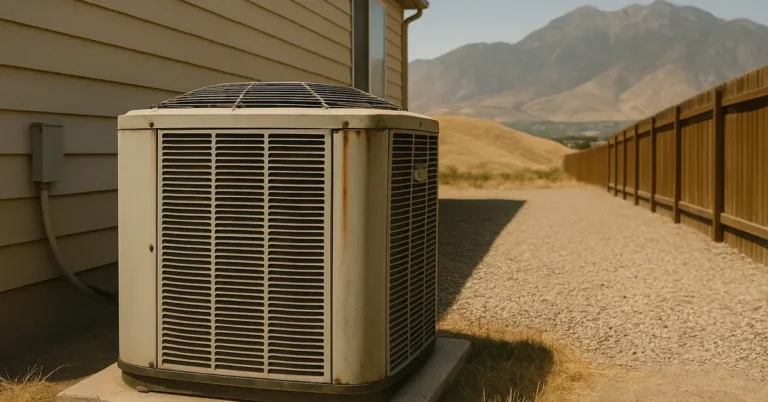
The outdoor condenser unit does the heavy lifting. The tech will spend a good chunk of time out here.
First comes a visual inspection. They’re looking for obvious problems: damaged coils, debris buildup, bent fins, signs of animals nesting in the unit. Utah’s dry climate means dust and cottonwood fluff build up faster than in humid areas. If the coils are caked with grime, airflow drops and efficiency tanks.
Next, electrical connections get checked. The tech will shut off power, open the access panel, and tighten every connection. Over time, vibration and temperature swings cause terminals to loosen. A loose connection creates resistance, which generates heat, which can fry a component.
Then comes the refrigerant check. This is one of the most important parts of the inspection, and Utah’s altitude makes it more complex.
Refrigerant Check: Why Utah’s Altitude Matters
Refrigerant is the lifeblood of your AC. It absorbs heat inside your house and releases it outside. The amount of refrigerant and the pressure it runs at are critical.
At sea level, refrigerant runs at standard pressures. But at 4,300 feet (Salt Lake City) or 7,000 feet (Park City), the thin air changes those targets. A tech who doesn’t know altitude might misread a good system — or miss a real problem.
The tech will connect gauges to the refrigerant lines and measure key temps. These readings show if the system is charged right. They’ll compare the numbers to altitude-adjusted charts.
If the pressure’s off, it could mean a leak or an overcharge. Either way, it’s something you want to catch now, not in July. For more on what low refrigerant looks like, read our guide on signs your AC is low on refrigerant.
If the pressure’s off, it could mean a leak or an overcharge. Either way, it’s something you want to catch now, not in July. Refrigerant leaks aren’t just about lost cooling — in Utah’s heat and altitude, they cascade into compressor failure fast. Our guide on why a refrigerant leak is more than just a cooling problem covers the full impact. For more on what low refrigerant looks like, read our guide on signs your AC is low on refrigerant.
Electrical Components: The Safety Check
Capacitors are the most common failure point in an AC system. They’re small parts that store energy and give the compressor and fan motor the boost they need to start up.
Utah’s temperature extremes — baking hot in summer, freezing in winter — stress capacitors hard. A weak capacitor might work fine in May but fail when you need it most in August.
The tech will test the capacitors, checking their rating against the spec on the label.
If they’re out of range, replacement is cheap and prevents a breakdown later.
The tech will also inspect the contactor — the relay that switches the compressor on and off. (Not sure whether you have a standard AC or a heat pump? Our comparison of heat pumps vs air conditioners for Utah homes explains the key differences.) Over time, the contacts inside get pitted and burned. A failing contactor can prevent your AC from starting or cause it to cycle erratically.
If your outdoor unit needs a deeper clean, check out our post on how to clean your AC condenser after a Utah winter.
Inside Your Home: The Indoor Unit Inspection

The indoor air handler or furnace does just as much work. The tech will spend the second half of the appointment inside your home, working in the utility room, basement, or attic.
First up: the blower motor and fan. The tech will inspect the blower assembly for dust buildup, then measure the motor’s amp draw while it’s running.
If the motor is pulling too many amps, it’s working too hard — maybe because of a dirty filter, a restricted duct, or a failing motor bearing. If duct issues are suspected during your tune-up, our professional ductwork inspection can identify leaks and airflow restrictions that force your system to work harder than it should.
Catching this early prevents a costly motor replacement.
Next comes the filter. Even if you change it regularly, the tech will check it. They’re looking at fit, type, and condition. During Utah’s wildfire season, filters get loaded faster than normal.
If you’re using a standard 1-inch filter and you’ve got allergies, they might recommend a thicker pleated filter or a whole-home air cleaner. More on that in our Utah spring allergies and HVAC post.
Filter Inspection: Utah Wildfire Season Matters
Wildfire smoke has become a summer reality in Utah. When the air quality index spikes, your AC filter is your first line of defense.
A standard filter will clog faster during smoky periods, which restricts airflow and forces your system to work harder. The tech will check whether your current filter is up to the task. If you’ve been running a cheap fiberglass filter, they’ll probably recommend upgrading to at least a MERV 8 pleated filter. For a complete breakdown of how Utah’s dust and seasonal changes affect your filter schedule, check out our guide on how often to change your AC filter during Utah’s dusty summer.
Condensate Drain Flush: Fighting Utah’s Hard Water
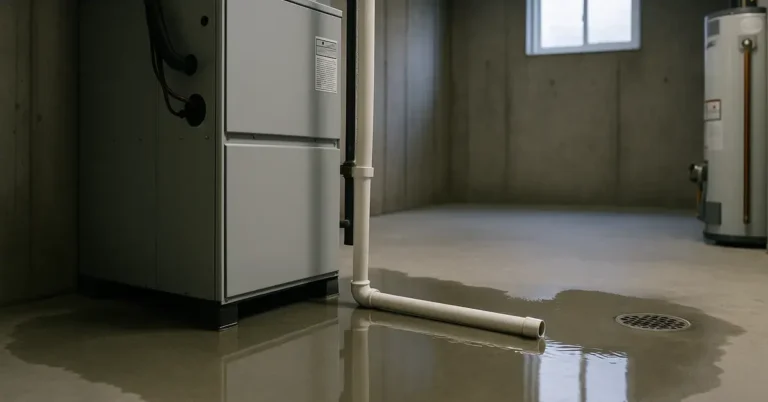
An AC makes water that drips off the cold evaporator coil. That water drains through a small PVC pipe near your outdoor unit.
In Utah, the problem is mineral buildup from our hard water. The tech will flush the drain line. A clogged drain can cause water to back up and shut down your AC — or worse, as we cover in what happens when a condensate drain clogs.
The tech will also check the evaporator coil if it’s accessible. On most systems, the coil is enclosed in a sealed plenum, so they’ll do a visual inspection through the access panel.
Finally, they’ll check your thermostat calibration and make sure it’s communicating properly with the system. If your thermostat settings aren’t dialed in for Utah’s wild temperature swings, even a perfectly tuned AC won’t keep you comfortable — our guide to spring thermostat settings for Utah breaks down what to set month by month. A thermostat that’s off by even a couple degrees can make your house feel uncomfortable and waste energy.
The Final Tests: Putting It All Together
Once the individual checks are done, the tech will fire up your system and run it through a full cycle. This is where everything comes together.
They’ll measure the temperature split — the difference between the air going into your return vents and the air coming out of your supply registers. On a properly functioning AC, that difference should be 15 to 20 degrees.
The tech will check airflow at multiple registers to make sure every room is getting what it needs. They’ll listen for unusual sounds. A properly tuned system should run quietly. Rattling, buzzing, or squealing noises are red flags. If you are hearing strange AC noises, our guide on what different AC noises mean breaks down each sound and whether it needs immediate attention.
The tech watches how long it takes the system to reach the thermostat setpoint and how smoothly it cycles on and off.
This whole HVAC tune-up checklist usually takes about 60 to 120 minutes, start to finish, though it can run longer if they find issues that need attention.
What to Expect After Your AC Tune-Up
Once the work is done, the tech will give you a rundown of what they found. This is your chance to ask questions and understand the condition of your system.
You’ll usually get a written report or invoice that lists what was checked, what was adjusted, and any recommendations.
Routine recommendations might include things like upgrading your filter or replacing a capacitor that’s still working but showing signs of wear. Red flags are different. A refrigerant leak, a failing compressor, or a cracked heat exchanger are serious problems that need attention sooner rather than later.
Good questions to ask: How urgent is this repair? What happens if I don’t fix it? Can you show me the problem? What’s the cost estimate?
After a tune-up, your system should run noticeably better. It’ll be quieter, cool more evenly, and cost less to operate. Pairing your tune-up with a programmable thermostat can stretch those energy savings even further.
When should you schedule your next tune-up? Annually, ideally in the spring before cooling season starts. Waiting until June or July means you’re competing with emergency calls.
How Much Does an AC Tune-Up Cost in Utah?
AC tune-up pricing varies depending on the company and what’s included.
As of 2026, Ninja’s AC tune-up costs $69 and includes everything we’ve described. You can check current offers on our tune-up specials page.
Industry-wide in 2026, tune-up pricing ranges from $75 to $200. Always ask what’s included.
Here’s the ROI: a $69 tune-up can save you 30% on cooling costs. On a $200 monthly summer bill, that’s $180 in savings — more than double the tune-up cost.
If you want to make maintenance even easier, our Home Health Plan costs $18.99 a month and includes two tune-ups per year (one for heating, one for cooling), priority scheduling, and 15% off all repairs.
When Should You Schedule Your AC Tune-Up?
Timing matters. The best time to schedule your air conditioner service visit is early spring — March or April in Utah, before the summer heat arrives.
Why spring? You beat the rush. Once temperatures hit the 90s, HVAC companies are slammed with emergency calls. You’ll wait longer for an appointment, and if the tech finds a problem, you might wait even longer for parts.
Spring gives you time to budget and schedule a replacement if needed. Finding out your compressor is dying in April gives you options. Finding out in July means you’re sleeping with the windows open.
How often should you schedule a tune-up? Once a year minimum. Many homeowners do a spring tune-up for AC and a fall tune-up for heating. Check out our seasonal transition guide for more on switching between heating and cooling.
FAQ: Your AC Tune-Up Questions Answered
How long does an AC tune-up take?
A thorough AC tune-up takes 60 to 120 minutes on average. It can run longer if the tech finds issues that need attention or if your system hasn’t been serviced in years. If a company tells you they can do it in 20 minutes, they’re skipping steps.
Can I do an AC tune-up myself?
Some tasks, yes. You can change your filter, spray down the outdoor coils, and clear debris. But most of the critical work needs special tools and training.
Checking refrigerant requires EPA certification. Testing electrical parts requires a multimeter and know-how. For safe DIY tasks, check our spring startup checklist.
What’s the difference between an AC tune-up and AC maintenance?
They’re the same thing. Different companies use different terms — tune-up, maintenance, inspection, preventative service visit — but they all mean an annual checkup where a tech goes through your system and makes sure everything’s working correctly.
Are AC tune-ups really necessary?
Yes. Systems without regular maintenance fail two to three times sooner than systems that get annual service. Proper maintenance can save up to 30% on energy costs. In Utah, where altitude, dust, and temperature extremes stress systems harder, understanding AC tune-up what to expect is even more critical. Skipping tune-ups is a gamble that usually doesn’t pay off.
Treat Your AC Right, and It’ll Get You Through Another Utah Summer
Now you know AC tune-up what to expect, from the moment the tech arrives to the final system test. You know why Utah’s altitude, dust, and temperature swings make annual maintenance more important here than in other climates.
An AC tune-up isn’t glamorous. But it’s one of the smartest investments you can make as a homeowner. It saves money, prevents breakdowns, and keeps your house comfortable when you need it most.
Ready to get your system checked before summer arrives? Schedule your AC tune up or Give us a call at (801) 997-8909 or check out our $69 tune-up special. We’re Utah state licensed, family-owned, and we’ve been keeping Wasatch Front homes comfortable for over 20 years. If you need emergency service, we’ll have a tech there within 120 minutes.
Need help? Learn more about our AC repair service or call us at (801) 997-8909.
Homeowners in Salt Lake City can learn more about our Salt Lake City AC repair services.