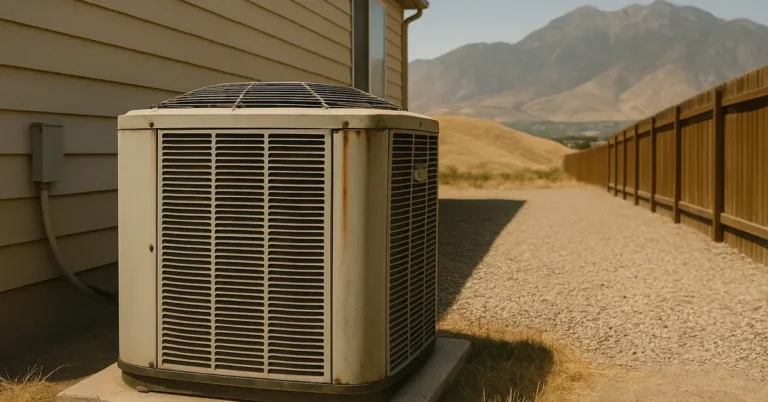
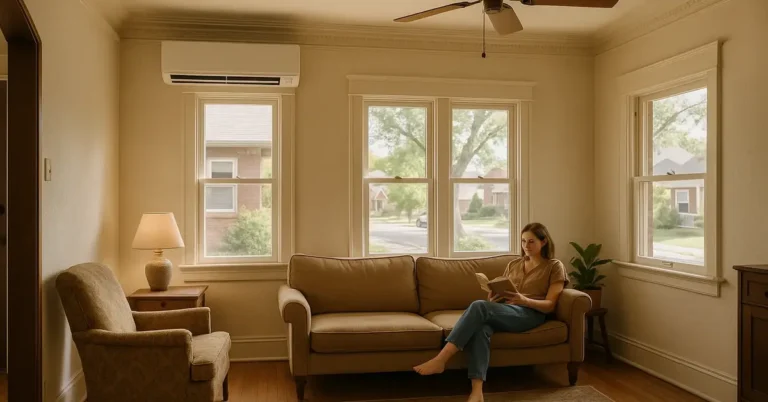
Your upstairs bedroom in Traverse Mountain hits 82 degrees on a July afternoon while the thermostat downstairs reads 75. The AC is running fine — you just replaced it two years ago — but half your house feels like a sauna and the other half is comfortable. It’s not broken. It’s physics, and it’s worse at 4,500 feet where the air is thinner and heat transfer works differently than it does in, say, Phoenix.
HVAC zoning is one way to fix that temperature gap. But it’s not the only way, and it’s not always the right way. Some homes benefit. Others waste money on a system that doesn’t solve the real problem.
Here’s when zoning makes sense for a Utah home, when it doesn’t, and what else might work better. If you want an honest take on your specific situation, give us a call at (801) 997-8909.
Why Multi-Story Utah Homes Are Harder to Cool (And Heat)

Hot air rises. That’s not an HVAC sales pitch — it’s basic thermodynamics. In a two-story home, warm air naturally migrates upstairs. Your second floor ends up 3 to 7 degrees warmer than your main level — a two story home temperature balance problem — even when your system is running perfectly.
Utah’s altitude makes it worse. At 4,300 feet in Salt Lake City or 7,000 feet in Park City, the air is thinner. Heat transfer is less efficient because there are fewer air molecules to carry energy. That means your HVAC works harder to move the same amount of heat, and the temperature stratification between floors gets more pronounced.
Then there’s home size. The average Wasatch Front home built in the last 20 years runs 3,000 to 4,000 square feet. Most of those homes are two stories with unfinished basements. You’re asking one thermostat to manage comfort across three levels and 40 vertical feet of space. The thermostat is mounted on the main floor, so it keeps that floor comfortable. Upstairs? Different story.
According to the Department of Energy, HVAC systems account for nearly half of a typical home’s energy use, and a big chunk of that inefficiency comes from trying to cool or heat spaces unevenly. When your system runs longer to cool the upstairs, it overcools the main floor. You’re burning energy and still not comfortable.
Neighborhoods like Lakeview Estates, Eagle Mountain, and the newer Lehi developments see this all the time. Big homes. Two or three stories. One HVAC system working overtime. For more on how altitude affects your system’s cooling capacity, check out our guide on how Utah’s altitude cuts your AC’s power.
What HVAC Zoning Actually Is (And How It Works)
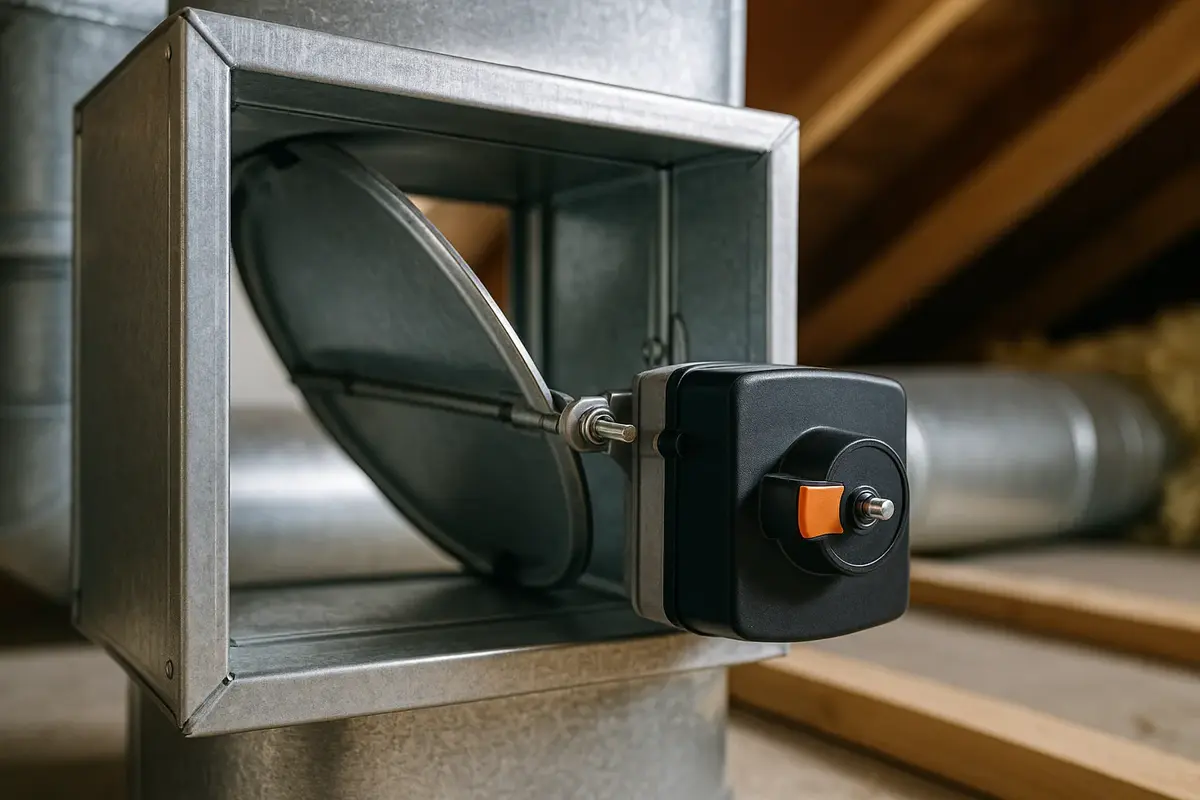
HVAC zoning — sometimes called a zone control system — splits your home into independently controlled areas. Instead of one thermostat controlling the whole house, you get separate thermostats for each zone — typically upstairs, downstairs, and sometimes the basement.
Motorized dampers installed in your ductwork make it work. When the upstairs zone calls for cooling, the dampers open for that area and close for the zones that don’t need it. Your existing HVAC system runs, but it only sends air where you need it.
A typical two-story Utah home uses a two-zone setup: one zone for the main floor, one for the upstairs. Homes with finished basements sometimes add a third zone — and finished basements often need separate humidity management during monsoon season. Each zone gets its own thermostat, and you control them independently.
Modern systems integrate with smart thermostats. You can set different schedules for each floor — cool the bedrooms at night, ignore them during the day, focus on the main living spaces when you’re home. That flexibility is the whole point. If you’re curious about how programmable thermostats tie into this, we’ve written about programmable thermostat savings in Utah.
When Zoning Makes Sense for Your Utah Home
A zoning system works best in specific situations. If your home checks most of these boxes, it’s probably worth considering.
First: size. Homes over 2,500 square feet with two or more stories benefit most. The bigger the home and the more vertical space, the more pronounced the temperature difference. If you’re routinely seeing 5 to 7 degrees between floors, zoning can close that gap.
Second: you’re planning to stay. Zoning systems pay for themselves through energy savings over 2 to 5 years, according to industry data. If you’re selling in a year, the investment doesn’t pencil out. If you’re staying for a decade, it does.
Third: your ductwork is in good shape. Zoning relies on your existing ducts to deliver air. If your ducts are undersized, leaky, or poorly designed, adding dampers won’t fix the underlying problem. In fact, it might make things worse by restricting airflow to a system that’s already struggling. If you’re losing 20% to 30% of your conditioned air to duct leaks, our guide on how to stop wasting money on leaky ducts explains what to fix first.
Fourth: you use different parts of your home at different times. Guest suites. Bonus rooms. Finished basements that sit empty most of the week. If you’re heating or cooling spaces you’re not using, zoning lets you turn those areas off and focus energy where you actually spend time.
According to Department of Energy research, properly designed zoning systems can cut energy use by up to 30% — one of the key HVAC zones benefits. That’s not guaranteed — it depends on how you use the system and how well it’s installed — but in a 3,500-square-foot home in Eagle Mountain running the AC all summer, 30% savings adds up.
Neighborhoods with large new construction — Traverse Mountain, Lakeview Estates, Pioneer Meadows — see the most benefit. These homes were built with HVAC in mind, so the ductwork is usually solid and the systems are sized correctly.
When Zoning ISN’T Worth It (The Honest Answer)
Not every home needs zoning. Sometimes it’s the wrong solution, and sometimes there’s a cheaper fix that gets you 80% of the benefit.
Small homes under 2,000 square feet don’t benefit enough to justify the cost. A small two-story home might see a 3-degree difference between floors, but that’s manageable with simpler fixes — better insulation, a ceiling fan, strategic window treatments.
Bad ductwork needs fixing first. Leaky ducts waste 20% to 30% of your conditioned air before it even reaches the rooms. Adding zoning dampers to a leaky system is like putting a better stereo in a car with a blown transmission. Seal the ducts, balance the airflow, then reassess whether you still need zoning.
Old HVAC systems nearing replacement — let’s say 12 years old and you’re expecting to replace it in the next 3 to 5 years — shouldn’t get zoning added yet. Replace the system first. Then, if you still have temperature issues, consider zoning as part of the new install. Retrofitting zoning onto an old system that’s about to fail doesn’t make financial sense.
Budget matters, too. Zoning isn’t cheap, and if you’re working with limited funds, there are simpler alternatives that solve a lot of the problem. Strategic ventilation improvements can reduce the temperature difference between floors by 4 to 8 degrees without increasing energy use, according to data from Utah HVAC contractors. That’s not as precise as zoning, but it’s a fraction of the cost.
Sometimes the real issue isn’t the lack of zones — it’s an undersized system, poor insulation, or a thermostat mounted in the wrong spot. A good HVAC tech can diagnose that in one visit. Want us to take a look? Our HVAC technicians can assess your system and recommend the most cost-effective solution. Call (801) 997-8909 for an honest assessment.
Zoning vs. Other Solutions: What Works Best
Multiple options exist to solve multi-story temperature problems. Here’s how they stack up.
Ducted zoning: Best for homes with existing central air and solid ductwork. You’re adding dampers and thermostats to a system that already works — just not evenly. For homeowners deciding between central air systems and ductless mini-split alternatives for Utah homes, each solves zoning differently. Cost is priced after a site assessment and depends on zone count, thermostat type, and ductwork condition. Mid-range investment. Moderate complexity. Works with your existing equipment.
Second HVAC system: Best for very large homes, additions, or spaces that are thermally isolated from the main house. You’re installing a completely separate furnace and AC, which gives you total independence but costs significantly more upfront. The benefit? No shared ductwork, no coordination between zones, and if one system fails, the other keeps running. Highest cost, but sometimes the only real solution for a 5,000-square-foot home with a detached guest suite.
Ductless mini-splits: Inherently zoned. Each indoor head is its own zone with its own thermostat. Great for retrofits where ductwork is poor or nonexistent, and ideal for problem rooms that never get comfortable. A single-zone mini-split starts around $5,500. Multi-zone systems run $11,000 to $20,000 depending on brand and capacity. If you’re curious whether a mini-split makes sense for your home, we’ve compared them to central air in our mini-split vs. central air guide.
Simple fixes: Don’t underestimate the basics. Move the thermostat if it’s in a bad location — near a window, above a heat source, in direct sun. Seal your ducts if they’re leaking. Change your filter every month, not every quarter. Add a ceiling fan to push warm air back down in winter. These fixes cost hundreds, not thousands, and they solve a surprising number of comfort problems.
Your home, budget, and timeline determine the right answer. We’re happy to walk through your options without pushing you toward the most expensive one. If you’re weighing heat pumps versus AC, zoning works with either system — it’s about the ducts, not the equipment.
What Zoning Actually Costs in Utah
Exact pricing for HVAC zoning depends on your specific setup — number of zones, thermostat type, and ductwork condition all affect the final number. We assess each home individually and provide a flat-rate quote before any work begins.
Variables that move the price: zone count, thermostat choice (basic programmable versus smart Wi-Fi models), and whether your ducts need modification to accommodate dampers. Adding zoning to a system that’s already struggling with airflow might require a variable-speed blower upgrade to handle the increased static pressure.
New construction is cheaper. If you’re building and zoning gets designed in from the start, the dampers go in during the duct install and the wiring happens before drywall. That drops the labor cost significantly.
Once it’s installed, zoning systems need annual maintenance. The dampers have motors that can fail, and the zone controller needs occasional recalibration. Our Home Health Plan covers two professional tune-ups a year and includes damper inspection as part of the service. It’s $18.99 a month and keeps your system running efficiently year-round.
Common Questions About HVAC Zoning
Why is my house hot upstairs and cold downstairs?
Heat rises. That’s the short answer. Warm air is less dense than cool air, so it migrates upstairs naturally. At Utah’s altitude, that effect is more pronounced because thinner air transfers heat less efficiently. A 3- to 7-degree difference between floors is normal, even with a properly functioning HVAC system. Zoning, better insulation, or strategic ventilation can close that gap.
How much does it cost to add zones to HVAC?
We price HVAC zoning after a site assessment because every home is different. Zone count, thermostat type, and ductwork condition all affect the final number. We’ll come out, evaluate your system, and provide a flat-rate quote with no surprises.
Is HVAC zoning worth it for my home?
It depends. Zoning makes sense for homes over 2,500 square feet with multiple stories, significant temperature differences between floors, and solid existing ductwork. If you plan to stay in the home for several years, the energy savings pay back the install cost in 2 to 5 years. If your home is small, your ducts are in poor shape, or your HVAC system is nearing the end of its life, zoning isn’t the best investment right now.
Can I add zoning to my existing HVAC system?
Yes, as long as your ductwork is in decent shape and your system has enough capacity to handle the zones. Retrofitting involves installing motorized dampers in the ducts, adding a zone control panel, and mounting thermostats for each zone. If your system uses a single-speed blower, you might need to upgrade to a variable-speed model to handle the increased static pressure from the dampers.
How many zones do I need for a two-story home?
Most two-story homes use a two-zone system: one for the main floor and one for upstairs. If you have a finished basement or a bonus room that’s thermally isolated from the rest of the house, you might add a third zone. The goal is to group spaces with similar heating and cooling needs, not to create a zone for every room.
Will HVAC zoning save energy?
It can. The Department of Energy estimates that properly designed zoning systems can reduce HVAC energy use by up to 30% in some homes. The actual savings depend on how you use the system — if you turn off zones when you’re not using them, you’ll save more. If you run every zone at the same temperature all the time, you won’t see much benefit. Zoning is most effective when you’re selectively conditioning the parts of your home you actually occupy.
Conclusion
Multi-story Utah homes face a real temperature balance problem — and zoning is one solution, but not the only one. If your home is large, your ductwork is solid, and you’re seeing significant temperature differences between floors, a zoning system can pay for itself in a few years through energy savings and better comfort. If your home is small, your ducts are leaky, or your system is old, there are simpler fixes that make more sense.
We’ve been doing this for 20 years across the Wasatch Front, and we’ve seen zoning work brilliantly in some homes and underperform in others. The difference is honest assessment upfront. We’re not here to sell you the most expensive option — we’re here to solve the problem.
Give us a call at (801) 997-8909. We’ll come out, look at your home, and tell you what actually makes sense. No pressure, no upselling. Just honest advice from people who’ve been doing this long enough to know what works.