
Troubleshooting Your Gas Furnace Problems
Gas furnace trouble can be a real headache, especially during the cold months. Learning about common furnace issues is key to having a warm house.
Many homeowners face furnace problems at some point. These issues can range from minor to severe. Knowing how to fix home furnace problems can save time and money.
This guide will help you with furnace diagnostics and repairs. It covers troubleshooting furnace problems and offers a heater troubleshooting guide.
You’ll learn about the top 5 furnace problems and how to address them. With this knowledge, you can tackle gas furnace issues confidently.
Let’s dive into troubleshooting gas furnace problems and ensure your home stays cozy and safe.
Understanding How Your Gas Furnace Works
To troubleshoot gas furnace problems effectively, you need to understand its components. Understanding what these pieces do makes it easier to diagnosing furnace problems.
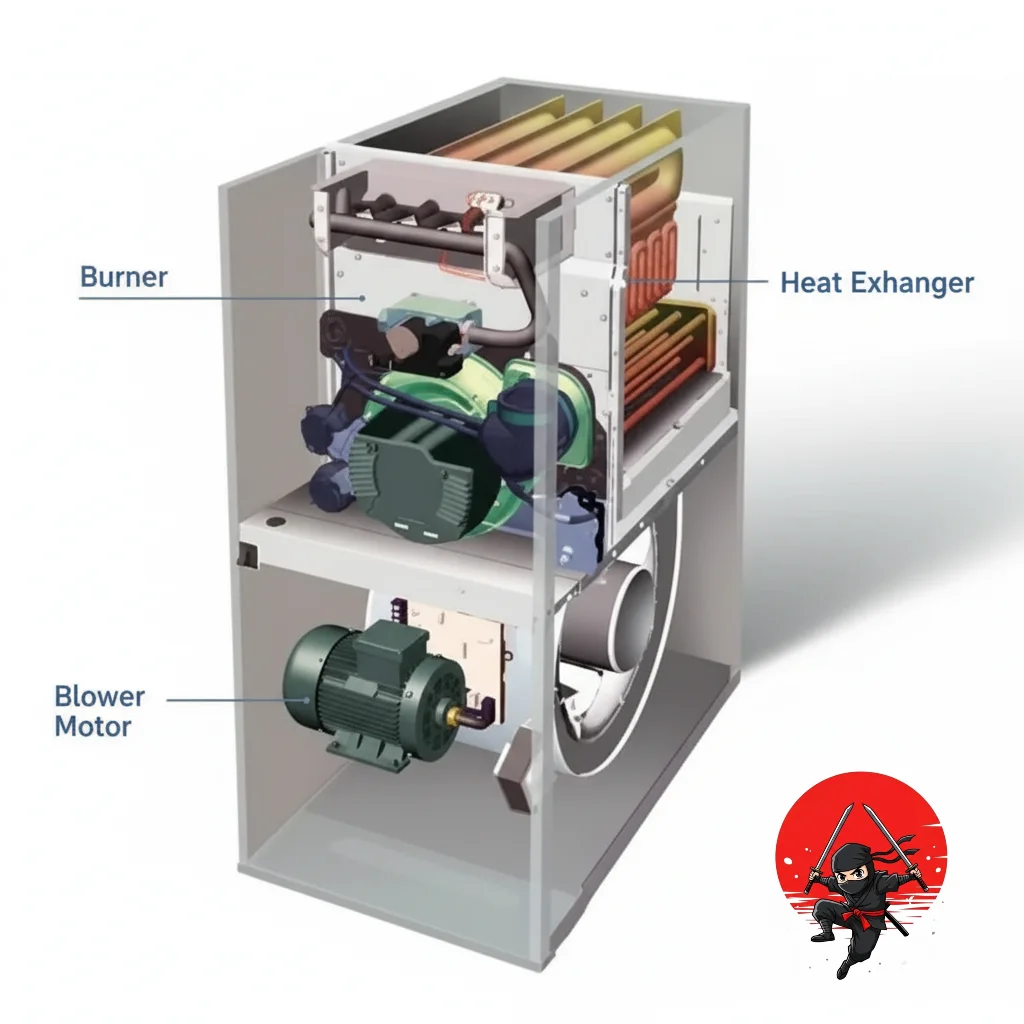
A gas furnace typically includes several key elements. These include the burner, heat exchanger, ductwork, and thermostat. Each plays a crucial role in heating your home.
Basic Components of a Gas Furnace:
- Burner: Burns the gas and produces heat.
- Heat Exchanger: Transfers heat to the surrounding air.
- Ductwork: Distributes the heated air throughout your home.
- Thermostat: Regulates the temperature and initiates the heating process.
For the heater to start, the ignition system has to be working. Modern furnaces often use electronic ignitions for efficiency.
Understanding these components aids in furnace problems diagnosis. It lets you check for issues more correctly and come up with quick solutions. With this knowledge, you’ll be better equipped to address common furnace issues.
Top 5 Most Common Gas Furnace Problems
Gas furnace trouble can be frustrating, especially during cold months. Knowing the usual issues helps with troubleshooting furnace problems.
Common Gas Furnace Problems:
- Pilot Light or Ignition Issues: These can prevent the furnace from starting.
- Thermostat Malfunctions: Often lead to unexpected heating behavior.
- Dirty Filters: Restrict airflow, causing the furnace to overheat or not heat at all.
- Cycling a lot: Means there is probably a problem with how the air moves or how the thermostat is set.
- Strange Noises: Can point to mechanical problems or airflow blockages.
Problems with the pilot light or the furnace’s starter are among the top 5 furnace problems. They might stem from dirt or a damaged sensor.
Frequent cycling could relate to a dirty filter or thermostat malfunction. These issues disrupt comfort levels at home.
Strange noises, like rattling or banging, signify potential mechanical issues. Address these promptly to avoid further damage.
These common furnace issues can be prevented with regular maintenance. If you notice these issues early, you can repair gas furnaces right away so you have steady heat.
Step-by-Step Gas Furnace Troubleshooting Guide
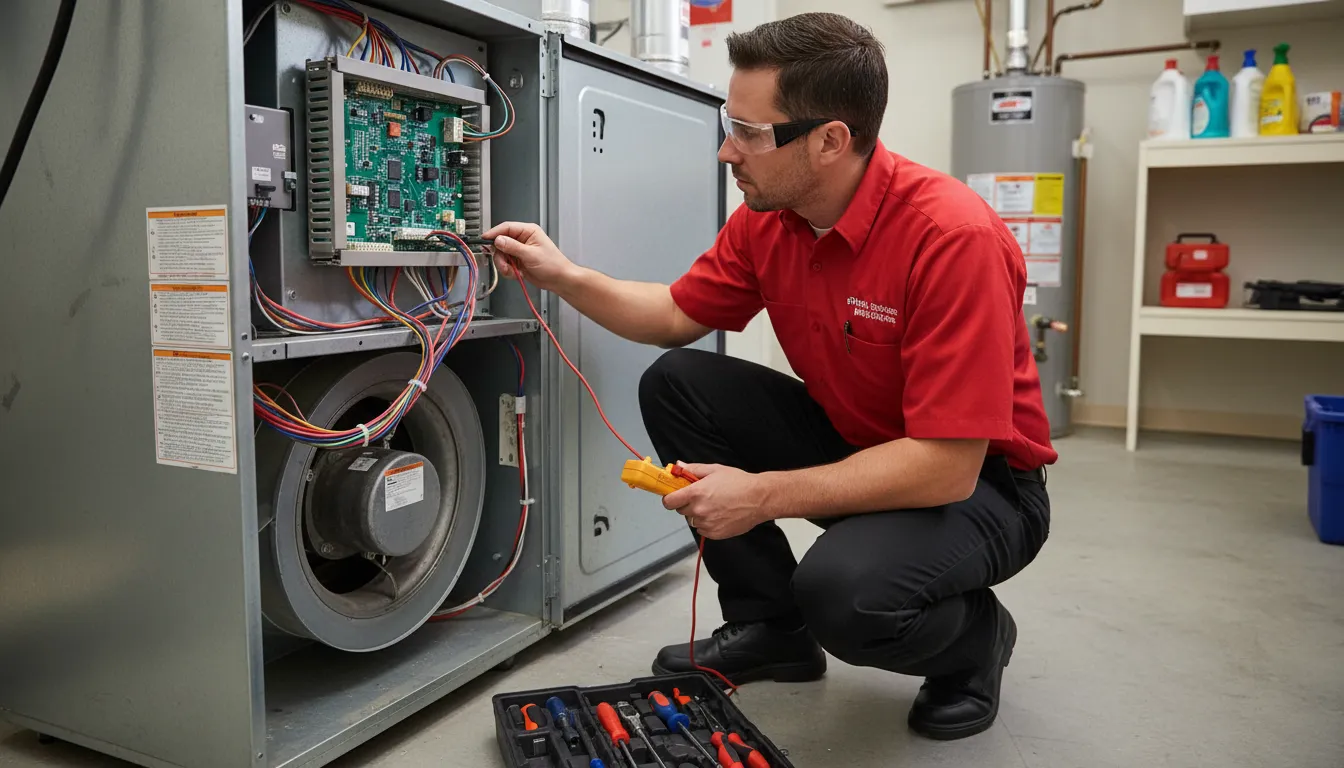
Troubleshooting gas furnace issues can seem daunting. With careful steps, you can resolve many problems yourself.
First, always verify the thermostat. Ensure it is set to “heat” and the temperature is correct.
Next, check your furnace’s power supply. Confirm it’s plugged in and the circuit breaker is not tripped.
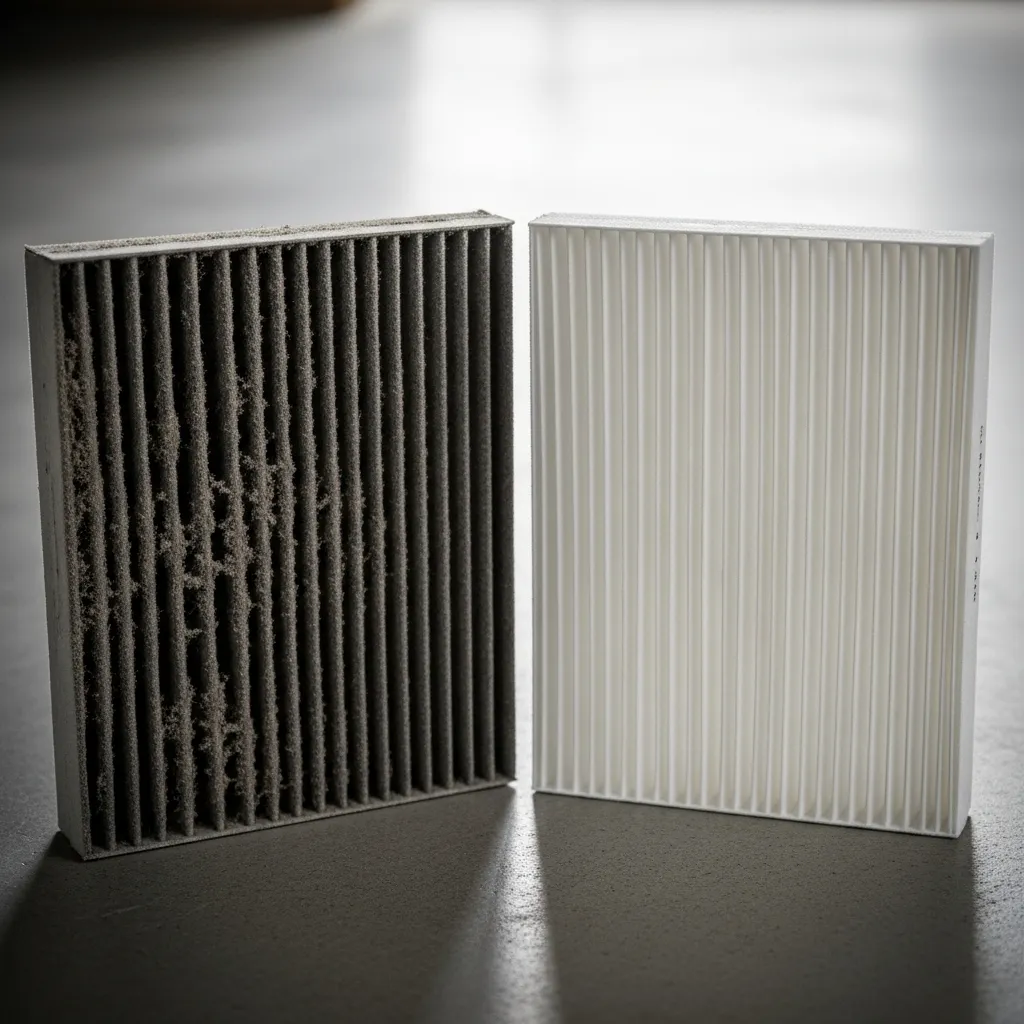
A dirty filter can cause myriad issues. Change it regularly to prevent airflow restrictions.
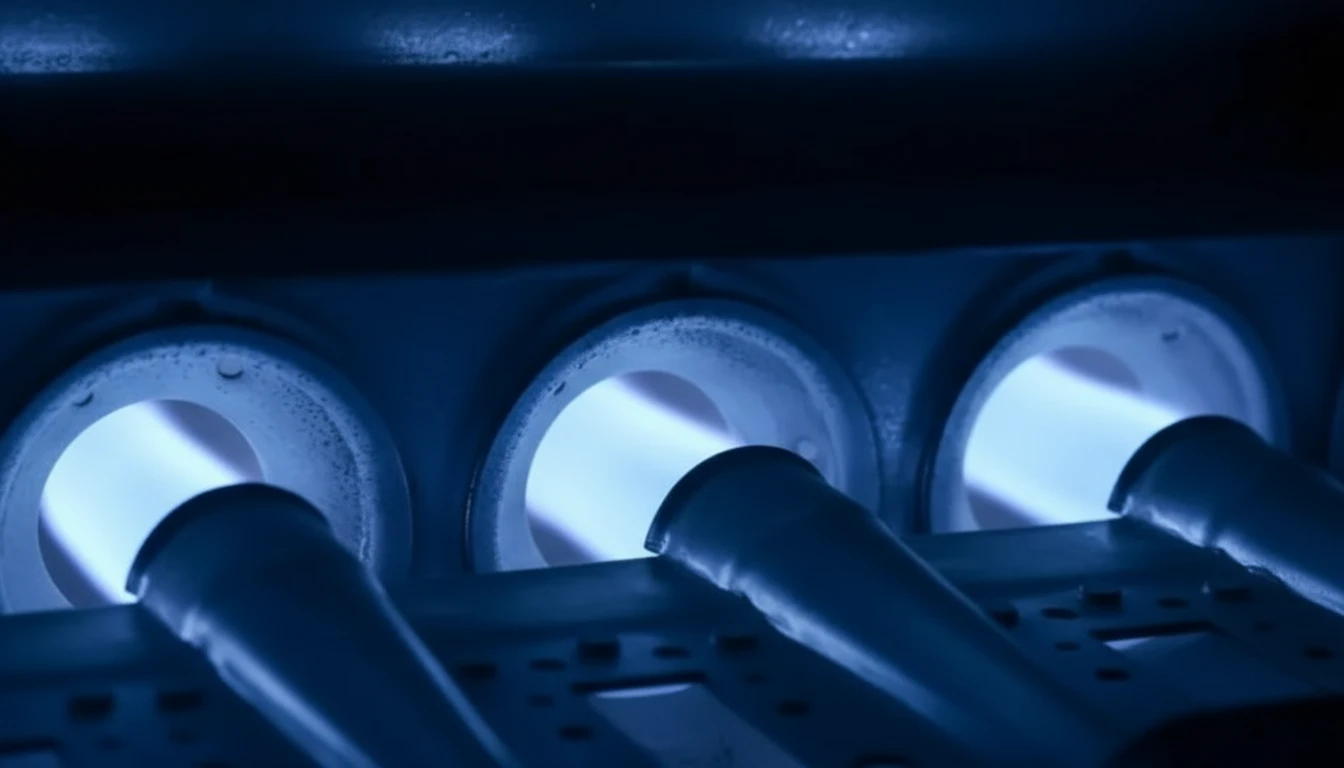
Do a visual inspection of the pilot light. A blue flame indicates proper function; yellow could mean trouble.
Listening is also critical. Sounds like squealing or rattling can hint at mechanical problems.
Basic Troubleshooting Tasks:
- Check thermostat settings.
- Inspect power connection and breaker.
- Replace dirty air filter.
- Observe pilot light color.
- Listen for unusual noises.
If your furnace cycles frequently, inspect the filter and thermostat setting. These are common culprits.
A furnace blowing cold air could have a disconnected duct or unlit pilot light.
Inspect the blower motor for wear or damage if airflow seems weak. This part often needs attention.
Lastly, check for visible error codes on digital displays. They provide clues to specific issues.
The steps below explain how to check for the most common furnace problems. Regular care helps keep many problems from showing up.
Safety First: Precautions Before You Start
Before tackling any
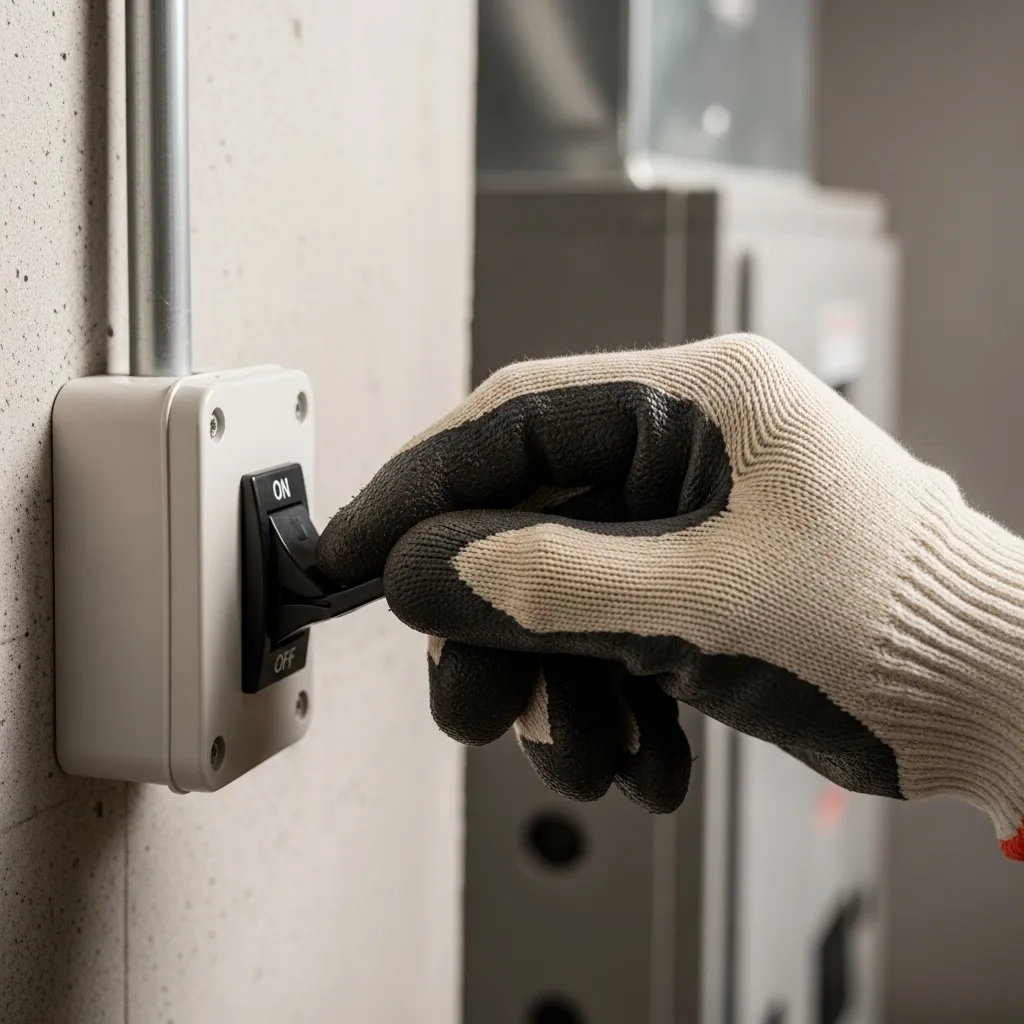
Always start by shutting off power to the furnace. This protects you from electrical shocks.
Use the following safety tips during furnace diagnostics:
- Turn off the gas supply at the valve.
- Ensure proper ventilation in the workspace.
- Wear safety goggles and gloves.
Using these simple rules makes sure fewer accidents take place. It is essential to start any repair job with the most care possible.
Diagnosing Furnace Problems: What to Check
Diagnosing furnace problems needs an organized way of checking things. When you know the main cause, you can fix things correctly and quickly.
First, observe your furnace’s behavior. Note any recent changes, like strange sounds or temperature fluctuations.
Inspect external components, such as the thermostat and air filter. They’re often the simplest fixes.
If the furnace doesn’t ignite, check the pilot light and gas valve. Both should function properly.
Next, inspect internal parts, such as the blower motor and limit switch. Wear and tear on these parts can prevent the system from operating as it should.
Key Diagnostic Steps:
- Observe furnace behavior and recent changes.
- Verify thermostat and filter condition.
- Check pilot light and gas valve status.
- Inspect blower motor and limit switch.
These steps facilitate efficient troubleshooting. With these checks, you can diagnose most common furnace issues.
Understanding what to inspect speeds up heater troubleshooting. With practice, diagnosing problems becomes quicker and more intuitive.
How to Fix Home Furnace Issues Yourself
Fixing furnace issues at home can save both time and money. Start by addressing simple problems you can handle safely.
First, replace the air filter. A clogged filter reduces airflow and causes the furnace to overwork. Ensure you use the correct size and type for your model.
If the furnace is not heating, examine the thermostat. Ensure it’s set properly to “heat” mode with a suitable temperature setting. Also, check for loose connections or dead batteries in the unit.
When you notice the pilot light is off, try relighting it following your furnace’s specific guide. A steady blue flame means everything is working the way it should.
Strange noises often point to loose parts or obstructions. Tighten any loose bolts or clean out debris in the motor housing.
When to Call a Professional for Furnace Diagnostics and Repairs
Knowing when you need to call an expert can stop small furnace issues from becoming big problems. When things are complicated, you usually need an expert to make sure there are no dangers.
If your furnace shuts off too much or you smell strange things, it usually means there are serious problems. An expert check will help keep your system safe and working correctly.
Indicators You Need Professional Help:
- Persistent lack of heat.
- Unusual noises despite DIY fixes.
- Gas odors or CO2 alarm alerts.
Hiring trained experts to fix things means they will find the real problem and repair it well. When you have a pro check it regularly, you can help prevent unexpected problems down the road. If ever in doubt, opting for expert advice is the best choice for peace of mind and safety.
Preventing Future Gas Furnace Trouble: Maintenance Tips
Regular maintenance is key to preventing gas furnace trouble. Following simple steps improves how long the system lasts and how well it runs.
Get professionals to look at your system yearly so they find small issues before they get big. Doing this ahead of time makes surprise repairs less likely.
Routinely replace air filters. A clean filter improves air flow and reduces strain on the furnace.
Keep the vents and ducts clear so the air can flow the way it should. This small action keeps everything working well and cuts down on energy bills.
Essential Maintenance Tips:
- Replace filters every 1-3 months.
- Regularly inspect the blower motor.
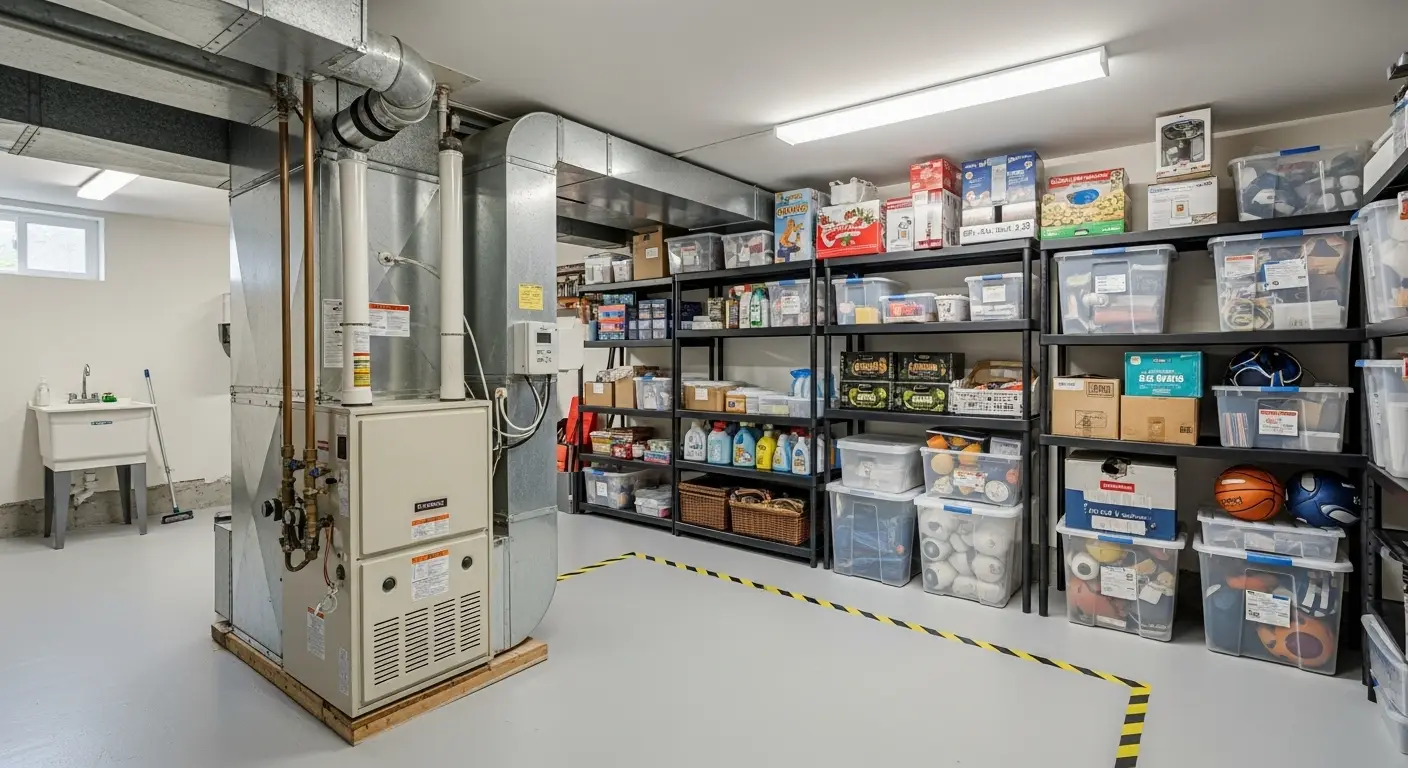
- Keep the area around the furnace clear.
It’s also very important to check the pilot light and burners often. Ensure they stay clean for optimal performance. Taking these straightforward measures will help you enjoy a warm and comfortable home, free from unexpected furnace troubles. Taking care of things early saves money and makes sure your system works safely and dependably all year.
Frequently Asked Questions About Gas Furnace Troubleshooting
Many homeowners have questions about gas furnace troubleshooting. The questions we answered here could help solve your problems.
What should I check first if my furnace stops working?
-
- Begin with the thermostat. Ensure it’s set to “heat” and the temperature is set correctly.
Why does my furnace make strange noises?
-
- Unusual sounds often indicate mechanical issues or blockages. Check for loose components or debris in ducts.
Common Questions Answered:
- How often should I change the furnace filter?
- What does a yellow pilot light indicate?
- When should I call a professional?
If you understand these basics, you can save time and maybe keep expensive fixes from happening. Learning the facts helps you take care of a safe and good working heater.
Conclusion: Keeping Your Home Warm and Safe
Troubleshooting your gas furnace issues can be manageable with the right knowledge. Routine care and checkups are very important for avoiding issues.
Remember to prioritize safety and call a professional if uncertain. With these steps, your gas furnace will run smoothly, ensuring your home remains warm and safe throughout the cold seasons while avoiding costly emergency heating services.
Why We Are the Best
Why Work With Us
Fair Pricing
We believe home air comfort and quality plumbing should be affordable. Therefore, our competitive pricing ensures you receive exceptional service without breaking the bank, making it easy to stay within your budget.
Family Owned
Reliable & On-Time
We understand the importance of your time. Our team is dedicated to arriving on schedule and completing work efficiently, minimizing disruptions to your daily routine.
24/7 Availability
When HVAC or plumbing issues arise, you need a quick response. Hence, we offer fast emergency services to address your urgent needs promptly.
Safety First Approach
Decades In Business
With decades of experience in plumbing & heating and air, we have honed our skills and expertise to deliver reliable, effective solutions. Trust us to bring a wealth of knowledge to every job, ensuring lasting results.
Get A Free Estimate
Our expert team will first assess your needs, then provide transparent pricing, and finally guide you through the best solutions for your home or business.