To make sure your home stays warm and safe all winter, you need to take care of your furnace. This guide gives you a complete furnace maintenance checklist.
When you take care of your furnace, it runs better, uses less power, and is less likely to break when it’s very cold.
You will learn when to service your furnace and get a list of 10 checks, such as changing the filter and checking the heat exchanger.
Why Furnace Maintenance Matters in Winter
Winter is coming, and with it, the need for a reliable heating system. A well-maintained furnace is crucial for keeping your home warm and safe.
If you don’t take care of your furnace, it can stop working as well as it should. Worse, it could completely break down when it’s the coldest outside. This can leave you without heat during the harshest months.
Following a complete furnace maintenance checklist helps you stop these problems before they start. It makes sure your heating system works at its best performance.
Regular maintenance does two important things:
- It helps your furnace last longer.
- It makes your furnace use less energy, which can save you money on heating bills.
In this guide, we’ll walk you through essential maintenance tasks. These tasks will keep your furnace running smoothly all winter long. In addition to avoiding the need for emergency heating services.

How Often Should You Service Your Furnace? (Furnace Maintenance Schedule)
Servicing your furnace at least once a year is highly recommended. It’s best to do this just before winter so your furnace will be ready to go when the cold weather hits.
Checking your furnace on time, every time helps you fix small problems before they turn into large repairs. Sticking to a routine prevents costly repairs and ensures reliability.
Key intervals to include in your furnace tune up checklist:
- Annual professional inspection
- Monthly filter checks
- Seasonal thermostat calibration
Implementing a schedule like this ensures your furnace runs efficiently and reliably when you need it most.
Essential Furnace Maintenance Checklist for Homeowners
A furnace maintenance checklist is vital for keeping your heating system in the best condition. When homeowners follow this full list, they can make sure their furnace runs really well.
Begin by inspecting the air filter. Clean or replace it if necessary. A dirty filter reduces airflow and efficiency.
Thermostat functionality is next on the checklist. Ensure it is calibrated correctly and free from dust.
Blower motor performance is also essential. Look for dust and debris. This component needs to work smoothly.
Don’t overlook the heat exchanger. Check it for cracks or damage to avoid carbon monoxide leaks. The furnace needs working burners and an ignition system so it will turn on every time. Test them both regularly for functionality.
Electric connections should be tight and secure. Loose connections can lead to failures. Gas lines, specific to gas furnaces, need thorough inspection. Ensure there are no leaks or damages.
Keep the flue and venting system clear. This is key for the gases from the furnace to get out the way they should. Lubricate all moving parts to reduce wear.
Finally, clean the furnace’s interior and surrounding area. This stops dust from piling up and helps prevent possible fires.
1. Inspect and Replace the Air Filter
Inspecting the air filter is a primary maintenance task. A blocked filter can’t let enough air through, which makes your furnace slow down. Replacement is often necessary, especially if it’s dirty or damaged.
When you change or clean the filter, your furnace won’t wear out as fast. It’s crucial to remember that most filters should be checked monthly.
List of common filter types:
- Fiberglass filters
- Pleated filters
- Washable filters
Choose the right one based on your system’s specifications.
2. Check and Clean the Thermostat
The thermostat is vital for maintaining home comfort. Begin by inspecting its settings. Ensure they match your desired temperature.
Dust may interfere with performance. Use a soft brush to gently clean the thermostat. Doing this helps your heating system stay accurate and work efficiently.
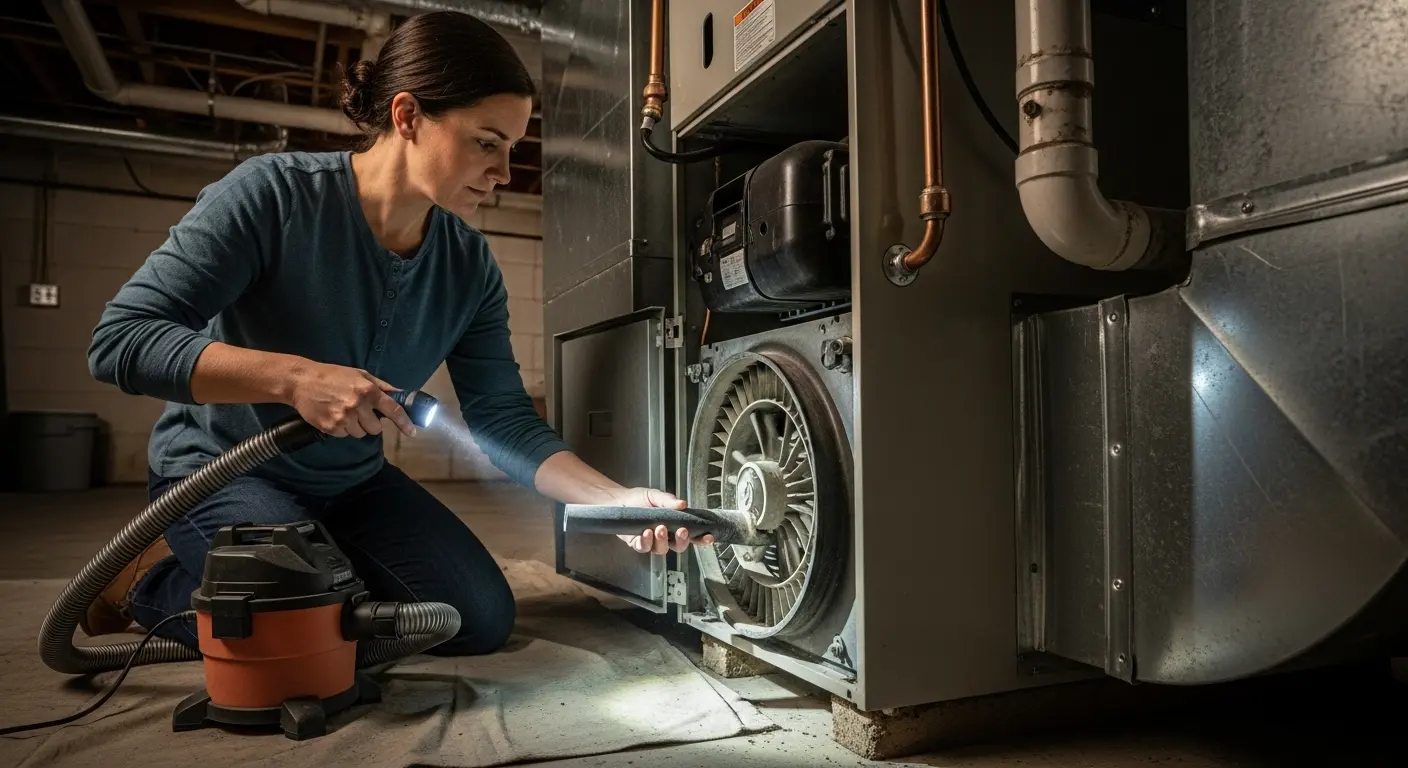
3. Examine the Blower Motor and Fan
The blower motor ensures proper airflow. It must be free of dust and debris. A quick examination will reveal if cleaning is necessary.
List of steps to follow:
- Turn off the power.
- Remove debris around the motor.
- Check fan blades for damage.
Giving it regular attention makes sure it always performs well.
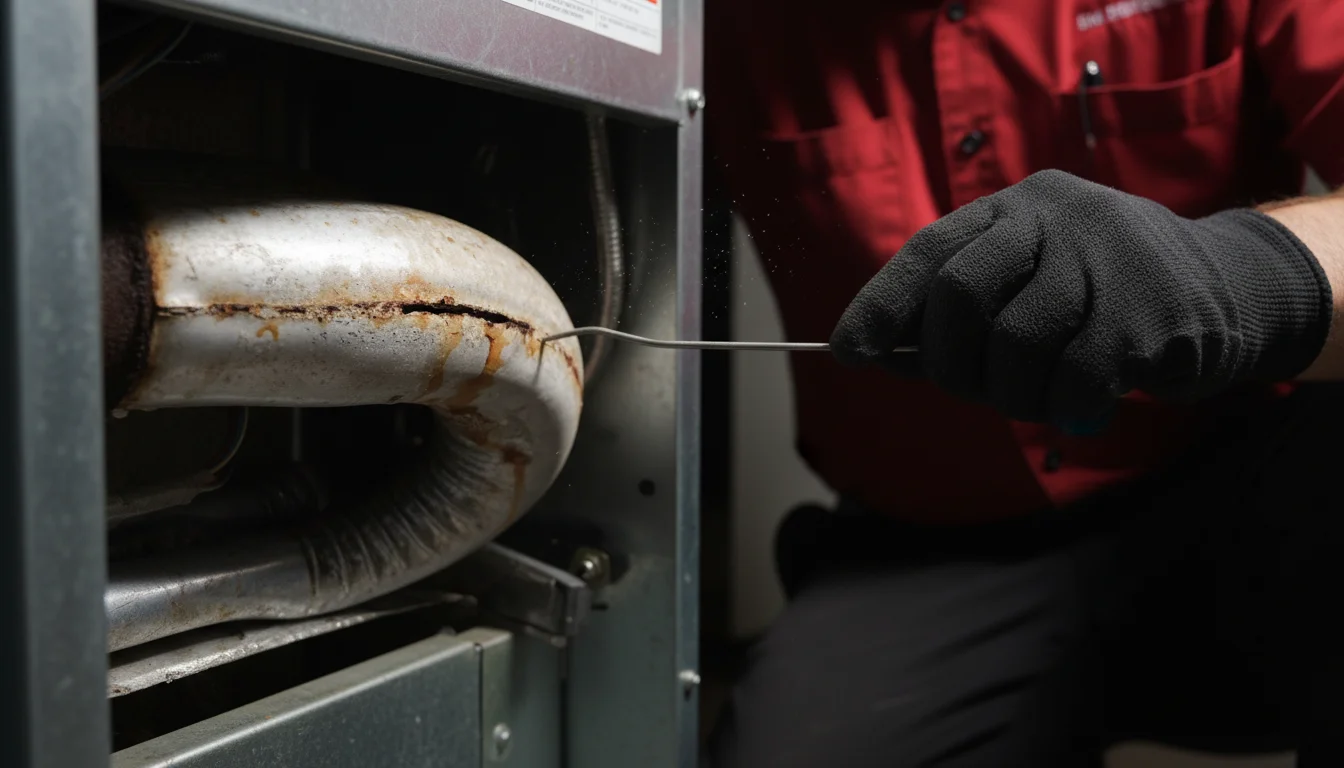
4. Inspect the Heat Exchanger
A cracked heat exchanger can pose serious risks. Inspect it closely for any signs of damage. Cracks may lead to carbon monoxide leaks, which are hazardous.
If you find a problem during the gas furnace inspection, you need to call a professional for the repair. A well-maintained heat exchanger is crucial for safe operation.
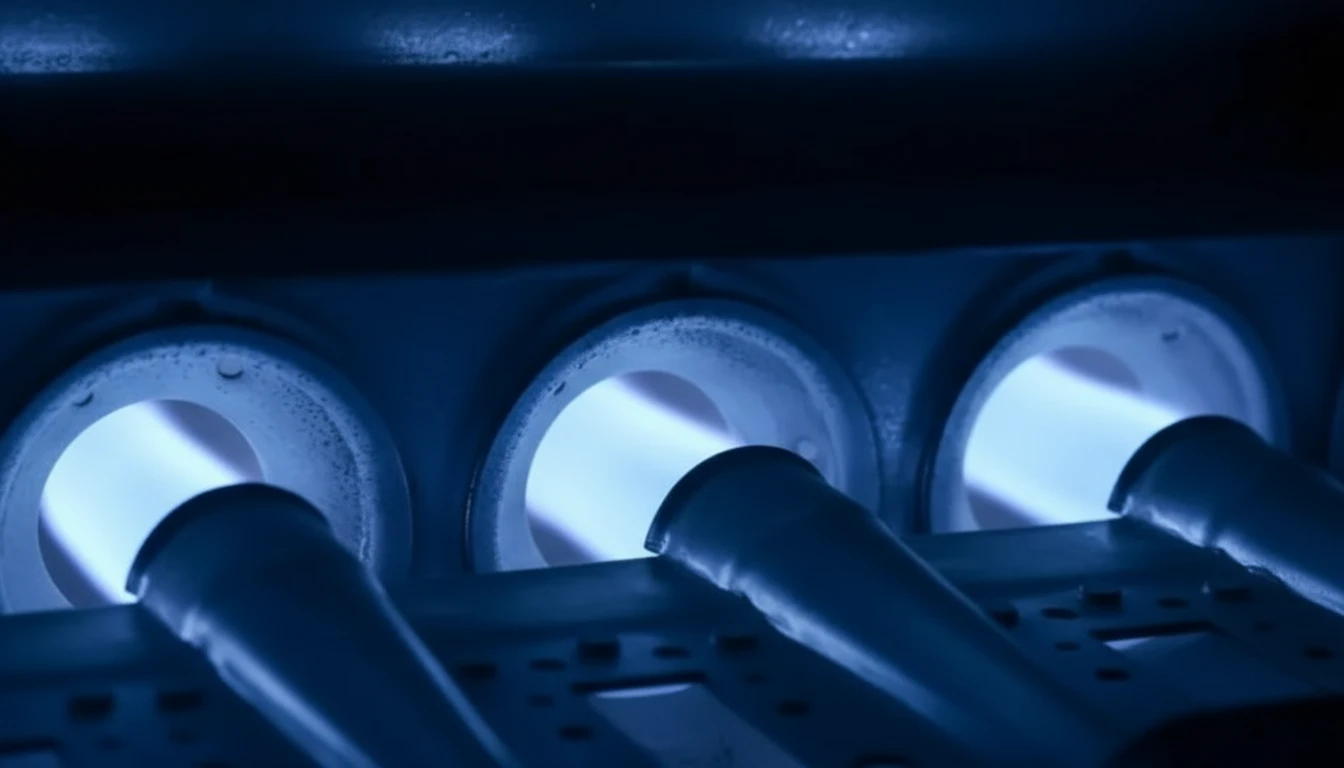
5. Test the Ignition System and Burners
For your furnace to start up every time, the ignition system needs to work well. Check that the burners light evenly and produce a steady flame. Variations could indicate a problem needing attention.
It’s key to test these components regularly. Making sure these parts work correctly stops them from failing later on.
6. Check Electrical Connections and Controls
Bad electrical connections can stop your furnace from working right. Inspect these components for wear and damage. Tighten any loose parts to maintain optimal function.
These checks should be a regular part of your maintenance routine. Doing so aids in avoiding unexpected breakdowns.
7. Inspect Gas Lines and Connections (Gas Furnace Service Checklist)
Gas furnaces require special attention. Inspect gas lines carefully for leaks or damages. This is critical for safety.
Maintenance checklist:
- Check connections
- Examine lines for leaks
- Ensure proper pressure
If you notice issues, consult a professional immediately.
8. Examine the Flue and Venting System
The flue system expels harmful gases. Ensure it’s clear and free from obstructions. Regular inspections help maintain safety and efficiency.
Vent blockages can cause serious issues. It’s vital to keep these pathways open and functioning.
9. Lubricate Moving Parts
Reducing friction is essential. Lubricate all moving parts to extend their lifespan. Doing this prevents early damage and makes sure the furnace works well without trouble.
Key components include:
- Blower motor parts
- Fan bearings
Routine lubrication is a small task with significant benefits.
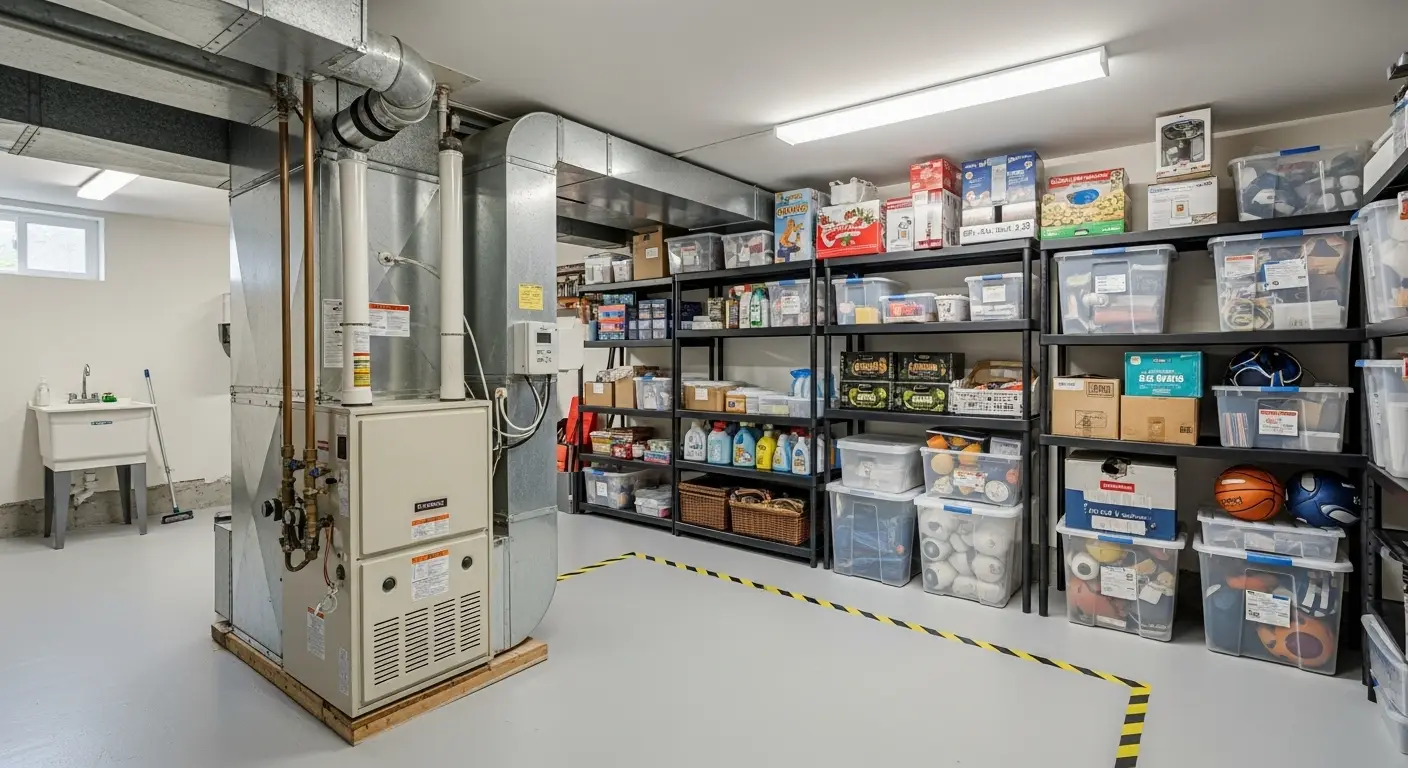
10. Clean the Furnace Interior and Surrounding Area
Dust buildup inside the furnace can lead to issues. Clean the interior regularly to remove any debris. Keep the area around your furnace clean and clear of stuff to lower the chance of a fire.
Clear any obstructions from nearby vents. This step makes sure you have good airflow and stay safe.
Professional Furnace Inspection Checklist
A professional furnace preventative maintenance inspection covers areas that DIY checklists might miss. Experts check the whole system using special tools and what they know. They can spot subtle issues that homeowners might overlook.
Key elements in a professional checklist often include:
- Comprehensive safety check
- Detailed combustion analysis
- Exhaust system evaluation
These inspections are usually more thorough and provide peace of mind. They ensure your furnace is safe and efficient for the winter months.
You should plan a professional check every year. This is the best way to keep your furnace working great and know that it is safe.
Gas Furnace Maintenance Checklist: Special Considerations
Gas furnaces have unique needs that require careful attention. Making sure the gas flows correctly and burns right is very important for safety and for the furnace to work well. Regular checks help keep you safe and avoid hazards.
Consider the following for your gas furnace maintenance checklist:
- Check gas pressure and adjust if needed.
- Inspect the pilot light and flame sensor.
- Ensure no gas leaks are present.
These tasks help maintain safe operation. They also enhance efficiency and can lower heating costs. Taking care of your gas furnace’s special parts is necessary so you can use it safely for many years.
Furnace Maintenance Tips for Winter Efficiency and Safety
Keeping your furnace efficient in winter is vital. Simple maintenance tips can ensure it runs smoothly and safely. Regular attention to your system can prevent major issues later.
Consider the following tips for maintaining furnace efficiency:
- Schedule routine inspections before winter.
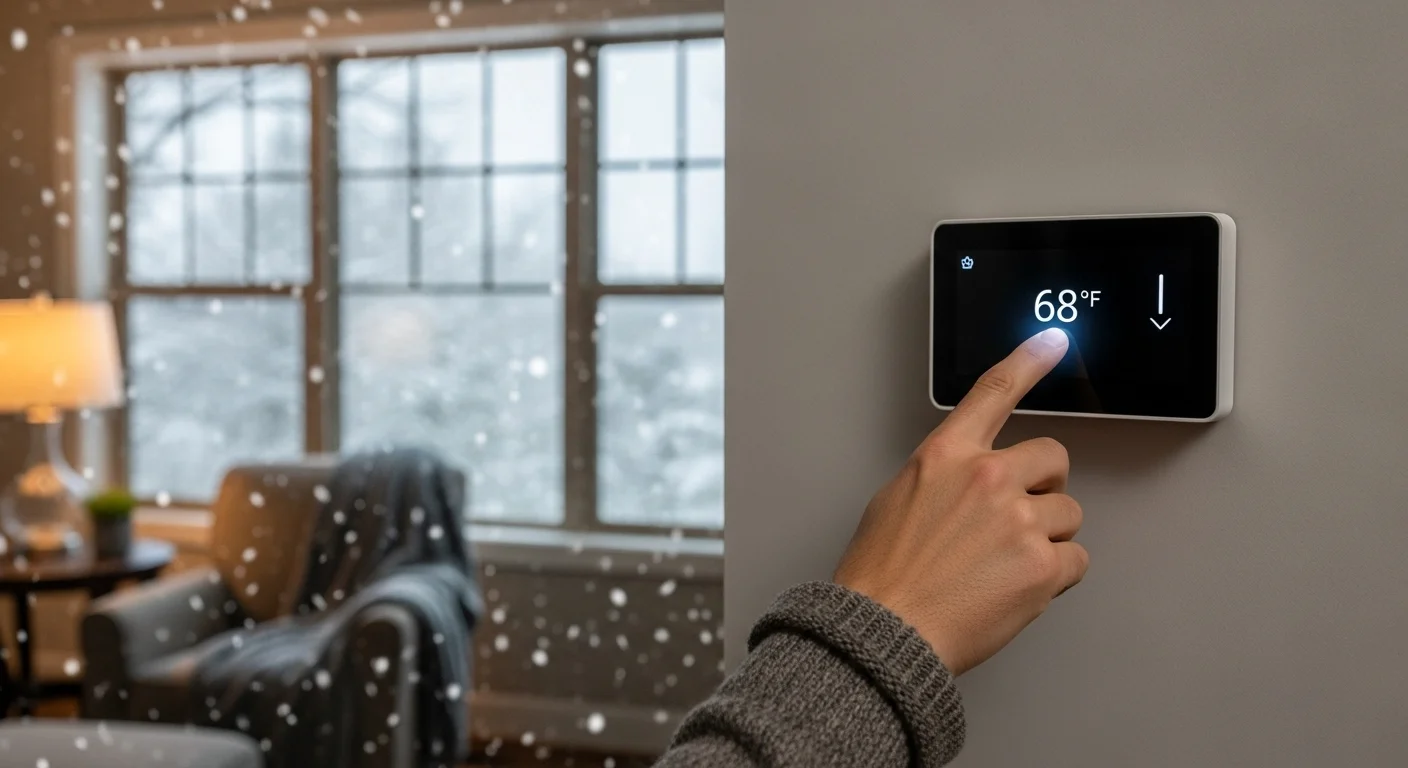
- Adjust your thermostat for energy savings. If spring is around the corner, our guide to spring thermostat settings in Utah has month-by-month recommendations.
- Keep vents and ducts clean for better airflow.
Remember, a well-maintained furnace reduces energy costs. It also minimizes the risk of breakdowns during peak cold months. Following these tips can contribute to a comfortable and safe home environment throughout winter. You might also want to check out 5 common HVAC myths debunked to make sure you’re not wasting energy based on outdated advice.
Common Signs Your Furnace Needs Service
Recognizing signs of furnace trouble early can save you from costly repairs. Be attentive to any unusual changes or behaviors.
Here are some common signs your furnace might need servicing:
- Frequent furnace cycling on and off every few minutes
- Strange noises or odors
- Uneven heating throughout the home
Addressing these issues promptly can improve performance and ensure consistent warmth during winter. Our gas furnace troubleshooting guide walks you through diagnosing these problems step by step. If you can’t fix the problem easily, get help from a pro.
DIY vs. Professional Furnace Maintenance: What You Should Know
DIY maintenance can save you money and is suitable for basic tasks. However, don’t try to fix something if you aren’t sure how, so you don’t ruin the furnace.
Here are tasks suitable for DIY:
- Replacing the air filter
- Cleaning around the furnace
- Checking thermostats
For complex tasks, hiring a professional ensures safety and thoroughness. If your furnace is nearing the end of its lifespan, it may be worth reviewing the average furnace installation cost in Utah to weigh your options. Experts can do deep checks and fix specific problems the right way.
Creating Your Own Furnace Maintenance Schedule
Having a furnace maintenance schedule makes sure your furnace is always ready to go. Tailor it based on your unit’s model and makers guidelines.
Here are key elements to include:
- Inspect the air filter monthly
- Schedule professional tune ups annually
- Check gas lines seasonally
Regular attention helps prevent costly repairs and extends lifespan. If something needs to be fixed, change your schedule to handle it fast.
Conclusion: Stay Warm and Safe All Winter
Taking care of your furnace makes sure your home stays warm and safe. Follow a thorough furnace maintenance checklist every winter season.
Regular upkeep not only boosts efficiency but also enhances safety. By putting furnace care at the top of your list, you ensure warmth and peace of mind throughout winter.