Picture a 1962 brick rambler up in the Salt Lake avenues. The kitchen drains slow every fall, a plumber runs a snake, and for about a month the sink gulps water like new. Then it’s back — the same gurgle, the same standing water over the dishes. If that’s your house, you’re not asking which drain-cleaning method sounds more impressive. You’re asking which one actually fixes the clog so you stop paying to clear it twice a year.
That’s the real question behind “hydro jetting vs. snaking,” and most articles dodge it. So here’s the honest version from people who’ve crawled under a lot of Utah houses. We’ll cover how each method really works, which clog needs which tool, what each runs in 2026, and why the age of your pipes can flip the whole answer. Sometimes the right call is the gentler one — not the more powerful one.
If your drain keeps backing up no matter what you try, give us a call at (801) 997-8909. We’re happy to take a look and tell you straight.
What Drain Snaking Actually Does (and Why the Clog Often Comes Back)
A drain snake — a plumber’s auger — is a long, flexible cable with a corkscrew or cutting tip on the end. You feed it down the line, spin it into the blockage, and it bores a path through. Water rushes again. Problem solved, right?
Here’s the catch. A snake punches a hole through the clog. It doesn’t clean the pipe. All that grease, soap scum, and mineral gunk coating the pipe walls? Most of it stays right where it was, narrowing the line. The water finds the channel you just opened and flows again — until the gunk closes that channel back up.
Here’s why a snaked drain so often re-clogs in six to eighteen months. You didn’t fix the buildup. You just made a tunnel through it. We see the same kitchen line come back twice a year because the actual problem — coated walls — never got touched.
None of that makes snaking bad. For the right clog, it’s the smart, cheap choice. A single localized blockage, a wad of hair in a bathroom line, a kid’s toy lodged near the trap — a snake clears those cleanly and you move on. Trouble starts when people reach for a snake on a problem it was never built to solve. For the at-home steps worth trying first, here’s our guide to clearing a clogged drain deep in the pipe.
What Hydro Jetting Actually Does

Hydro jetting cleans the pipe instead of just poking through the clog. A specialized hose pushes water through a nozzle at roughly 1,500 to 4,000 PSI — pressure you can feel from across the room. Forward-facing jets cut through the blockage. Rear-facing jets blast the full pipe wall clean and pull the hose along behind them.
This difference is everything. A snake leaves a channel. A jetter scours the pipe back to bare wall — grease, scale, sludge, and all. It clears stuff a snake can only tunnel through, including hardened mineral buildup and sheared tree roots.
And that’s exactly why jetting matters here in Utah. Wasatch Front water is brutally hard — commonly 20 to 40 grains per gallon, which lands it in the “extremely hard” bracket, among the worst in the country. The Weber, Provo, and Jordan rivers run through limestone canyons and load our water with calcium and magnesium. Inside your drains, that mineral load bakes onto the pipe walls as hard scale that catches grease and triggers the slow, recurring clogs a snake just can’t fix. Our guide to Utah’s hard-water plumbing damage digs into how much that scale costs you.
Roots are the other one. In older neighborhoods, established maples and cottonwoods send roots into cracked joints, and a jetter’s cutting nozzle shears them out — more on that in our post on summer tree-root sewer damage in Utah. One thing to skip entirely: harsh chemical drain cleaners. The EPA warns against them because the caustic heat can crack toilets, soften PVC, and eat older metal pipe. Mechanical cleaning is safer for your home and the water we all drink. Not sure which method your line needs? Call us at (801) 997-8909 and we’ll start with a camera, not a sales pitch.
Head-to-Head: Which Method for Which Clog

Honestly, neither method “wins.” The right tool depends entirely on what’s clogging your line. Here’s how we match them on a real service call.
| Clog type | Better method | Why |
|---|---|---|
| Minor localized clog (one fixture) | Snake | A single soft blockage clears fast and cheap |
| Heavy grease buildup | Hydro jetting | Scours the coated walls a snake leaves behind |
| Recurring backups in multiple drains | Hydro jetting | Points to a main-line problem, not one fixture |
| Tree roots in the sewer line | Hydro jetting | Cutting jets shear roots a snake only bores through |
| Hard-water mineral scale | Hydro jetting | Removes the baked-on buildup that narrows the pipe |
When Snaking Is the Smarter (and Cheaper) Choice
Got one slow drain and the rest of the house runs fine? That’s almost always a localized clog, and a snake is the right, lower-cost fix. No reason to bring a jetter to a hairball in the bathroom sink. Bigger isn’t better — it’s just bigger. Matching the tool to the problem is what keeps your bill honest.
When Hydro Jetting Is Worth It
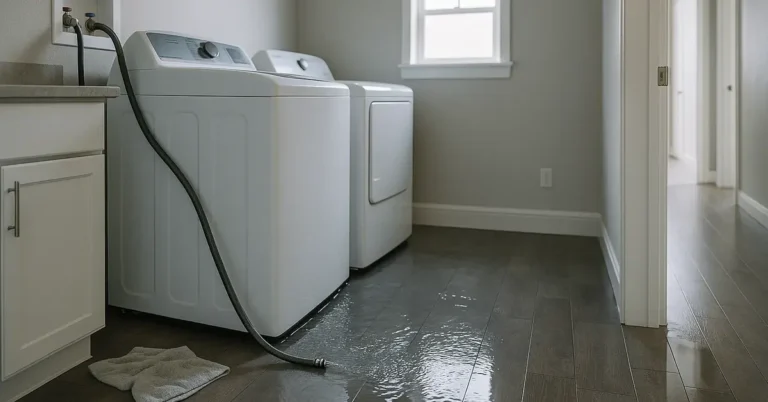
The picture changes when more than one drain backs up at once. When the kitchen, the basement floor drain, and a toilet all act up together, the trouble is usually down in the main line — and that’s jetting territory. Same goes for grease, scale, or roots, and for any drain you’ve already snaked twice this year. If you’re seeing whole-house symptoms like a drain that backs up when the washing machine runs, that’s your sign the problem lives deeper than one fixture.
The Utah Old-Pipe Problem: Why a Camera Inspection Comes First
This is the part the national articles skip, and it matters most right here. Utah’s older neighborhoods are full of aging pipe. Cast iron sewer lines were standard from the 1950s through the 1970s and last about 75 to 100 years. Pre-1980 homes often ran clay laterals. Walk the historic east side and avenues in Salt Lake City, or older parts of Ogden, Provo, and Murray, and you’re standing over a lot of pipe at or past its expected life.
Cast iron corrodes from the inside out. As it thins, a layer of scale builds up over the weak spots — and that scale acts like a temporary liner holding things together. Hit it with high-PSI water and you can strip that liner off thinned metal, opening a hole on the spot. Old clay joints can separate under the same pressure.
So no, you don’t put a 4,000-PSI jetter into a 70-year-old line and hope. A sewer camera inspection comes first on any older Utah home — it’s not optional, plain and simple. We run the camera, see the actual condition of your pipe, and confirm it can take the pressure before anyone fires up the jetter.
Sometimes the camera tells us to back off. A gentler snake, or a trenchless repair on a line that’s failing anyway, is the right move more often than you’d think. That’s first-hand experience talking, not a pitch. The whole point is to fix your drain without cracking your sewer.
What Each Method Costs in 2026 (and the Long-Run Math)
Let’s talk money, because it drives most of these decisions. For a single, straightforward main-drain clear, our standard price is $324. A toilet auger runs $120. Snaking is the cheaper option up front when you’ve got one isolated clog — no argument there.
Hydro jetting costs more for a reason: it’s doing far more work. Our hydro-jet rejuvenation service runs $1,537. For market context, national 2026 cost guides put residential jetting at roughly six hundred to fourteen hundred dollars on average — call it one-and-a-half to eight dollars per linear foot, with most home sewer laterals running 50 to 150 feet, per HomeGuide’s 2026 hydro jetting cost guide.
Now the math that actually matters. Snaking results tend to last six to eighteen months. Jetting results last roughly two to five years, because the pipe wall is genuinely clean instead of just channeled. So if you’re snaking the same line twice a year, the “cheaper” option quietly becomes the expensive one. For grease, scale, or recurring backups, jetting once often beats snaking four or five times.
One more thing you can count on: our pricing is flat-rate and upfront. Every visit starts with a $49 dispatch fee (weekdays 9 AM-5 PM), and we waive it when you go ahead with the repair. No surprise diagnostic charges stacked on at the end.
When to Skip the DIY and Call a Pro
Plenty of clogs you can handle yourself. A plunger and a hand auger clear most single-fixture blockages, and our deep-clog guide walks through the steps worth trying before you pick up the phone.
Some signs, though, mean stop and call. Several drains backing up at once. A clog that keeps coming back after you’ve cleared it. Sewage smell drifting through the house. A toilet that gurgles when you run the sink. Those point to a main-line problem that a store-bought snake won’t reach. And whatever you do, skip the chemical drain cleaner — it can crack a toilet, soften PVC, and corrode the older metal pipe a lot of Utah homes still have.
If you’d rather get ahead of clogs than chase them, there’s a maintenance angle here too. Older homes and heavy-use households often benefit from jetting every one to two years to keep buildup from ever closing the line — the same logic behind preventing basement drain clogs before laundry season. When you do hire out the camera and the cleaning, choose a plumber who inspects before they jet; our guide on picking an emergency plumber in Utah covers what to look for.
Frequently Asked Questions
Does hydro jetting damage pipes?
Not when it’s done right. Healthy pipe in good shape handles jetting fine. The risk comes from pipe condition, not the method itself — which is why a camera inspection comes first. On a corroded or cracked line, we adjust the pressure or recommend a different fix entirely.
Is hydro jetting safe for old pipes?
It depends on the pipe, and that’s the whole reason we run a camera before touching a jetter on an older Utah home. Thinned cast iron or separated clay joints can fail under high pressure. If your line can’t take it, we’ll tell you and use a gentler approach.
How long does hydro jetting last?
Usually two to five years, versus about six to eighteen months for snaking. Jetting cleans the entire pipe wall instead of clearing one narrow channel, so buildup takes far longer to close the line back up.
How often should you hydro jet your pipes?
For most homes, only when symptoms call for it. But older homes, houses with a history of grease or root trouble, and heavy-use households often do well with a jetting every one to two years to stay ahead of buildup.
Can hydro jetting remove tree roots?
Yes — the cutting nozzles shear root masses out of the line, where a snake only bores a temporary hole through them. It’s a summer staple in older Wasatch Front neighborhoods. We still camera the line first to check what the roots have done to the pipe and whether a repair is needed too.
The Bottom Line
Your drain-cleaning method should match your clog and your pipe — not on which one sounds tougher. A single soft clog wants a snake. Grease, scale, roots, or repeat backups want a jetter. An old line wants a camera before anything.
That’s exactly how we work. We start with a sewer camera, show you what’s actually in your line, and recommend the honest fix for your pipes — even when that fix is the cheaper one. We’re family-owned, Utah state licensed, and have spent 20-plus years on the Wasatch Front, with HVAC and plumbing under one roof so it’s one company and one call. Ready to find out what’s really going on down there? Call us at (801) 997-8909 to book a drain diagnosis — the $49 dispatch fee (weekdays 9 AM-5 PM) is applied to your repair.