It’s a blistering July afternoon in Lehi. Your 14-year-old AC has been running since breakfast, it hasn’t shut off once, and the thermostat still reads 80. The unit out back is roaring like it’s trying to take off. Before you assume it’s broken, understanding normal AC performance during extreme heat can help you tell the difference between a system working at its design limit and one that’s actually failing. If that sounds like your house, here’s the honest answer to the question that brought you here: the national guides quote a long lifespan for central AC — but on the Wasatch Front, systems tend to wear out years sooner than that average. Heat, altitude, and desert dust pull those years down.
Below, we’ll cover what lifespan really looks like here, the 6 signs yours is done, and how to squeeze every summer out of the system you’ve got. We see worn compressors and dust-caked coils on Utah service calls all summer, so this comes from the field, not a brochure.
How Long Does an AC Unit Last? The Honest Answer
Let’s start with what you came for. The national guides promise a long life for central AC. A system that gets ignored — no tune-ups, filters left in until they’re gray — fails much sooner. That’s the national baseline, and it assumes a mild climate close to sea level.
It also depends on what you’ve got. Some systems naturally last longer than others. Heat pumps run year-round, so they log more hours and wear faster than a cooling-only central AC. Ductless mini-splits hold up well. Window units have the shortest life of the bunch.
ENERGY STAR suggests you start thinking about replacement once a system passes 10 years. Their reasoning is simple: a properly installed ENERGY STAR unit can cut your heating and cooling costs by up to 20%, and that gap widens every year an old unit limps along. So when does the Utah part kick in? Right now. Those tidy national numbers assume your AC isn’t fighting extreme heat in thin, high-desert air. Keep reading — that’s where the math changes.
Already know your unit is old and worn out? Give us a call at (801) 997-8909. We’re happy to take a look and give you a straight read on whether it has years left or it’s time to start planning. No pressure either way.
Why Utah ACs Wear Out Faster Than the Brochure Says

Carrier, Lennox, Trane — the brochures all promise a long life. Those guides were written for a mild climate at low elevation. The Wasatch Front is hot, bone-dry, AND high up. National brands never account for that combination, which is exactly why so many Utah homeowners are surprised when their unit gives out earlier than expected. Three local accelerants do the damage.
High Heat and Thin Air Stress the Compressor
Wasatch Front summers are relentlessly hot, and Salt Lake City stacks up plenty of triple-digit afternoons in a typical summer. Your AC runs for hours against that heat. The compressor is the heart of the system, and long run-hours in extreme summer heat break down its oil sooner. In the thin air of the Salt Lake Valley’s high-desert elevation, the outdoor condenser sheds heat less efficiently — meaning the compressor runs longer and hotter to do the same job. It’s a genuine lifespan factor, and we break down exactly why Utah’s altitude adds compressor stress in its own post.
Desert Dust Fouls Coils and Clogs Filters
Dry air is comfortable. It’s also full of grit. In our bone-dry desert air, our valleys carry fine dust from construction sites, farm fields, road traffic, and summer wildfire smoke. That dust coats the condenser coil and packs into your filter, forcing the whole system to strain. During dusty or smoky stretches, you may need to change filters more often in Utah’s dust — every 30 to 60 days instead of the usual 90.
Hard Water and the Whole-Home Reality
Utah has some of the hardest water in the country. We’ll be straight with you here — hard water hits your water heater and plumbing far harder than your AC. But scale and condensate are part of the same Utah-home maintenance picture, so it’s worth knowing the broader story on Utah’s hard water and home maintenance. The point is this: Utah homes age faster than the average, and a smart homeowner plans for it.
6 Signs Your AC Is Done (Utah Edition)

So how do you know when yours has reached the end? These aren’t a generic checklist. They’re the end-of-life signals we actually see on Wasatch Front service calls, tied to the conditions your system fights every summer.
1. It’s Past the Decade Mark
Nationally, a well-kept system runs a long time. Here, the danger zone starts earlier than the national average. ENERGY STAR flags 10 years as the point to start considering replacement, and in our climate that advice lands a couple years sooner.
2. The Repair Bills Keep Stacking Up
One repair is normal. A third repair in two summers is a message. Frequent fixes with rising bills are a classic replace signal — and they fail the repair-vs-replace math we’ll walk through next. If you want the full rundown, here’s our deeper repair-vs-replace signs checklist.
3. Your Summer Energy Bills Keep Climbing
Same thermostat setting, same house, bigger bill. An aging system quietly loses efficiency, and you pay for it every July. A properly installed ENERGY STAR replacement can claw back up to 20% of those cooling costs.
4. Rooms Cool Unevenly on Hot Days
Upstairs bakes while the basement stays cool on a scorching Lehi afternoon. Uneven temperatures are an ENERGY STAR failing-system sign, and they usually mean your AC can no longer move enough cool air to keep up.
5. Strange Noises, Smells, or Moisture
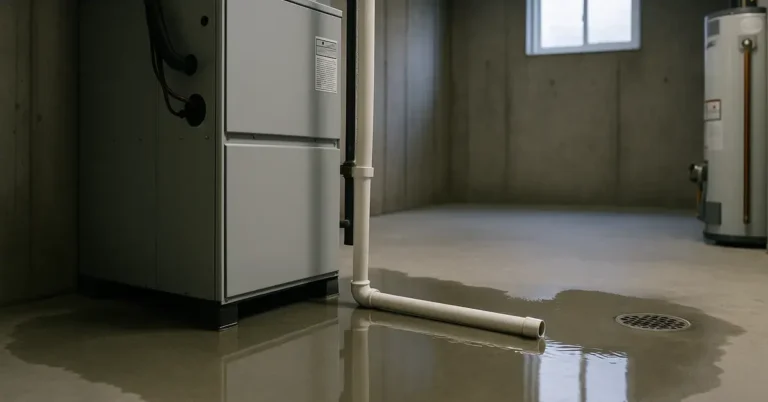
Grinding. Screeching. A musty smell when it kicks on, or moisture pooling around the unit. Noisy operation and humidity problems are both on the ENERGY STAR replace checklist — and they rarely fix themselves.
6. It Still Runs on R-22 Refrigerant
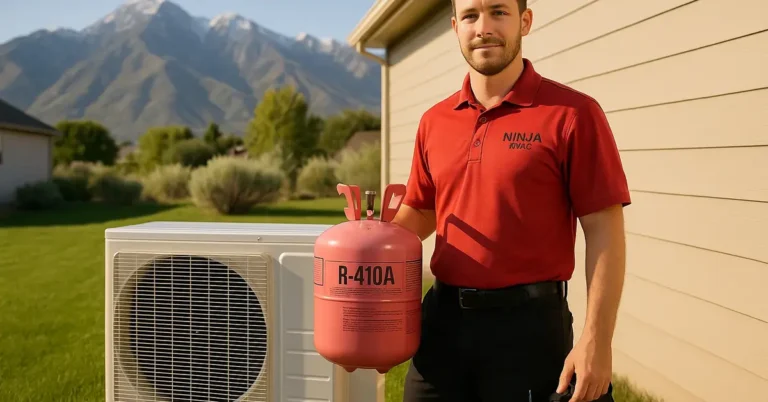
If your system uses the old R-22 refrigerant, a single leak gets expensive fast. R-22 has been phased out, and we don’t service it. That’s your cue to upgrade to a modern, efficient R-410A system — not to keep patching an obsolete one.
Repair or Replace? The Honest Math
Here’s the honest framework, the same one we use on a service call. Two simple rules cut through the guessing. First, the repair-cost test: when a single repair costs a large fraction of the price of a new unit, replacement usually wins — especially once you’re past 10 years. Second, the age-times-cost math: multiply the unit’s age by the repair cost, and if that number is high relative to the price of a new system, lean toward replacing.
A new central AC is a real investment, and what it actually costs in Utah depends on size, efficiency, and your home. For the full breakdown, see what a new AC actually costs in Utah and our 2-ton AC replacement cost guide. We give you big-company capability at small-company prices, and we explain both paths so you decide — no salespeople disguised as technicians.
Not sure if your unit is worth fixing? Call Ninja at (801) 997-8909. Our AC repair technicians in Utah will diagnose it, walk you through repair and replace side by side, and let you make the call — no pressure, no scare tactics.
How to Get the Full Lifespan Out of Your Utah AC
Maintenance is the difference between a short life and a long one. The good news is that most of it is straightforward, and some of it you can do yourself.
- Book a spring tune-up before the heat hits. Our $69 AC tune-up catches refrigerant, coil, and worn-part issues early — while they’re cheap to fix.
- Change filters every 30 to 60 days in dust and smoke season, not the usual 90. Clean filters keep the system breathing.
- Keep the outdoor condenser clear of dust, cottonwood fluff, and yard debris so it can actually shed heat.
- Get the sizing and install right. An oversized or sloppily installed unit dies young — here’s how to pick the right AC size for your Utah home.
Want this handled without thinking about it? Our Home Health Plan covers two professional tune-ups a year plus priority scheduling. We’re family-owned, Utah state licensed, and 20+ years deep on the Wasatch Front — so we know exactly what your system is up against.
Frequently Asked Questions
How long does an AC unit last on average?
The national guides quote a long life for a well-maintained central AC, with neglected systems failing much sooner. In Utah’s hot, dry, high-altitude climate, systems tend to wear out years sooner than that national average.
Why do AC units fail faster in Utah?
Three accelerants. Long run-hours in extreme heat and thin high-desert air stress the compressor, abrasive desert dust fouls coils and clogs filters, and hard water adds to the whole-home maintenance load. National lifespan guides ignore all three.
What’s the smart way to decide repair vs. replace?
When a single repair costs a large fraction of the price of a new unit, replacement usually makes more sense — especially once the system is past 10 years old. Pair it with the age-times-cost math: multiply the unit’s age by the repair cost, and if that total runs high relative to the price of a new system, replacing usually wins.
Is it worth repairing a 15-year-old AC unit?
Often not, especially in Utah where a system that old is near the end of its real-world lifespan. Weigh the repair against the repair-cost test and the age-times-cost math, and remember that an efficient replacement can cut your cooling costs by up to 20%.
Do AC units last longer with regular maintenance?
Yes. Annual tune-ups, frequent filter changes in dust season, and a clean condenser can add years and protect efficiency. ENERGY STAR notes that neglected systems fail far sooner than maintained ones.
Bottom line: on the Wasatch Front, plan for your AC to wear out years sooner than the long life the national brands promise. Good maintenance buys you the upper end of its range, and the six signs above tell you when the math has finally tipped toward replacing. If you’re not sure where your system stands, we’ll give you an honest read — repair or replace, your choice. Give us a call at (801) 997-8909. We’re a family-owned, Utah state licensed team with 20+ years on the Wasatch Front and a guaranteed 120-minute emergency response during business hours. Straight answers, every time.