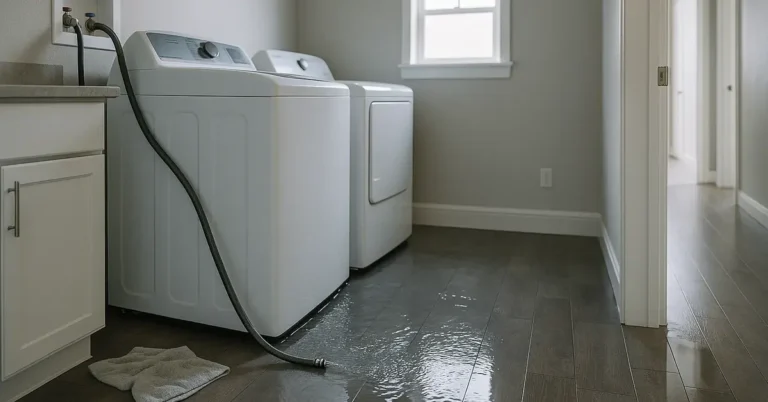
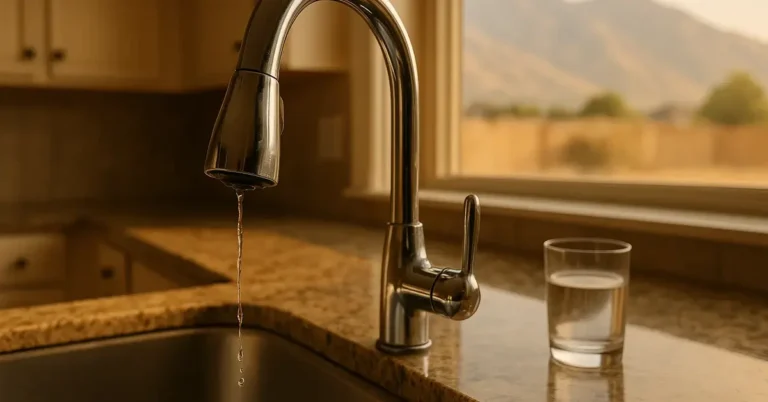
Most Utah homeowners prep for winter freeze damage. You insulate the outdoor faucets, drain the sprinkler lines, and keep the thermostat above 55°F when you’re out of town. But here’s what catches people off guard — summer heat damage to pipes is just as costly, and in ways you’d never expect. We’ve responded to slab leaks, burst water heaters, and pinhole leaks in July and August that had nothing to do with freezing temps. The culprit? Heat expansion, shifting soil, and the triple threat of Utah’s altitude, hard water, and extreme dry heat. We care about protecting your home year-round, not just when it’s obvious.
If you’re seeing wet spots in your yard during a dry spell or your water bill spiked this month, give us a call at (801) 997-8909. We’re happy to take a look.
What Thermal Expansion Does to Your Pipes
When pipes heat up, they expand. Cool them down, they shrink. This pipe expansion summer cycle happens every time Utah temperatures swing from 40°F spring nights to 90°F+ days. In the Wasatch Front, you get exactly that kind of swing between spring nights and summer days. Damage happens at the joints. Solder weakens. Fittings loosen. Threaded joints develop tiny cracks that turn into pinhole leaks over time.
Different materials respond differently. Copper expands more than PEX, which is why newer homes with PEX supply lines handle temp swings better. PVC, common in drain lines and sprinkler systems, gets brittle when it heats up — especially if it’s exposed to UV. That’s why outdoor PVC lines crack during peak heat.
Your water heater faces the same issue. Water expands as it heats, and that pressure has to go somewhere. Code in most Utah areas now requires a heat expansion tank on the cold water side to absorb that pressure. Without one, the pressure relief valve opens over and over, or worse — the tank develops a slow leak that you don’t notice until the floor is wet. If you’re dealing with an aging water heater showing signs of stress, check out our guide on when to repair vs. replace your water heater.
5 Hot Weather Plumbing Problems in Utah
Pipe Expansion and Contraction at Joints
The weakest point in any plumbing system is where two pieces meet. Solder joints in copper pipe, threaded joints in steel, and fittings at shut-off valves — these are the spots that fail first. Last summer in Lehi, we responded to three slab leaks on the same street. All homes built in 2018. Copper supply lines. No expansion tanks. The mix of hard water buildup inside the pipes and heat stress from 95°F days caused pinhole leaks under the slab. Repair costs are priced after assessment, depending on how much concrete needs to be cut and whether the line can be accessed from below or requires opening the floor.
Clay Soil Shifting Under Your Foundation
The Salt Lake Valley sits on clay-heavy soil. When it’s wet, clay expands. Dry it out, it shrinks. A hot, dry summer pulls water out of the soil, and the ground shifts under your slab. That movement stresses underground pipes — especially rigid copper lines that can’t flex with the soil. You’ll notice it first as a warm spot on the floor, surprise moisture in the basement, or a water bill that doubled for no clear reason. Slab leak repair typically costs $1,500 to $4,500 according to industry data, so catching this early saves real money. If you’re seeing any of these symptoms, read our complete guide on how to detect slab leaks before they destroy your foundation.
UV Damage to Exposed Outdoor Lines
PVC and CPVC break down under direct sun. UV radiation weakens the plastic, making it brittle. You’ll see this on hose bibs, sprinkler lines, and any supply lines running along the outside of the house. The pipe looks fine until you turn the valve and it cracks. Got outdoor plumbing sitting in full sun for years? Replace it before it fails mid-summer when you need it most.
Increased Water Pressure from Higher Usage
Water use spikes in summer. You’re running the sprinklers, filling the pool, watering the garden, and running multiple showers after the kids come in from playing outside. All that demand creates pressure surges in your system, and the same peak usage is why so many homeowners notice weak water pressure on hot summer afternoons. If your pressure control is old or missing, those surges stress your pipes, especially at joints and fixtures. Add in Utah’s secondary water systems (which run at higher, unregulated pressure), and you’ve got a recipe for leaks.
Water heaters feel this stress too. Yours more than 10 years old? Noticed the pressure relief valve dripping? That’s a warning sign. The valve is doing its job — protecting the tank from too much pressure — but it shouldn’t activate all the time. That’s when an expansion tank becomes essential. For older water heaters, the anode rod may also need attention — Utah’s hard water accelerates corrosion and can turn a minor pressure issue into a major failure.
Tree Roots Seeking Water in Dry Soil
During a dry Utah summer, tree roots grow hard toward any water source. That includes your sewer line, your main water line, and any sprinkler pipes in the yard. Roots work through tiny cracks and joints, then expand as they grow, turning a hairline crack into a full break. We see this most in areas with mature trees — older parts of Salt Lake, Sugar House, and sections of Draper where the trees have been growing for decades. Notice slow drains, gurgling toilets, or wet patches near a tree? Roots are the likely cause.
Need help figuring out a summer plumbing issue? Our team is available 7 days a week at (801) 997-8909, and the $49 visit fee (weekdays 9 AM-5 PM) is applied to your repair. Learn more about our water heater repair services or call for immediate assistance.
Why Utah’s Climate Makes It Worse
Summer plumbing Utah homeowners deal with faces unique threats — a specific mix of factors that add stress in ways that don’t happen in humid or coastal climates. Start with altitude. The Wasatch Front sits at 4,000 to 4,500 feet. Lower air pressure at this height means pipes face more expansion and shrinkage than they would at sea level. It’s a small effect, but over years of cycling, it adds up.
Then there’s the hard water. Utah has some of the hardest water in the country — high levels of calcium and magnesium that build up inside pipes over time. That mineral buildup narrows the pipe’s interior, which ups pressure and makes the pipe more rigid. A rigid pipe can’t absorb heat expansion as well as a clean one, so joints fail sooner. If you’re unsure whether your home needs protection, read our analysis on whether Utah homes need a water softener.
Dry climate matters too. Low humidity means soil loses water faster, which speeds up the clay shrinkage problem. And because Utah doesn’t get the summer rain that other regions do, the soil stays dry for months, stressing underground pipes the whole time. Summer heat affects plumbing in multiple ways, including water pressure issues during Utah summer peak hours.
Finally, think about the temperature swings. We’re talking 100°F summers and sub-zero winters. That’s year-round cycling — expansion in summer, shrinkage in winter, expansion again. Each cycle weakens joints a bit more. After 10 or 15 years, the total effect shows up as leaks, and homeowners wonder why a pipe that was fine last year just failed. The answer? It’s been failing slowly for a decade.
Warning Signs of Heat Damage to Pipes

Catch it early and you’re looking at a repair. Miss it and you’re looking at a full replacement. Here’s what to watch for.
A spike in your water bill is the most common sign. A toilet leak can waste up to 200 gallons per day. Pinhole leaks in supply lines might only drip now and then, but over a month, that’s thousands of gallons. Bill jumped? Usage habits didn’t? You’ve got a leak somewhere.
Warm spots on floors or walls mean a hot water line is leaking under the slab or behind drywall. Heat from the leak warms the surface above it. You might not see water yet, but you’ll feel the warmth if you walk barefoot across the floor.
Lower water pressure than usual — especially if it’s only one fixture — suggests a clog or a leak upstream. Hard water buildup restricts flow, and heat expansion can shake that buildup loose, creating partial clogs.
Hissing or dripping sounds in the walls, under the floor, or near the water heater mean something is actively leaking. Call us right away. The longer water runs, the more damage it does to everything around it — drywall, insulation, subflooring, even structural wood.
Wet spots in the yard during dry weather are a dead giveaway for an underground leak. Got a patch of grass that’s greener than the rest or a spot that stays soggy when everything else is dry? That’s your leak.
How to Protect Your Plumbing This Summer
Prevention is cheaper than repair. Here’s what actually works.
Install a heat expansion tank if your water heater doesn’t have one. Cost is priced after assessment based on your system and access. In many Utah cities, it’s required by code. Even if it’s not, it’s cheap insurance against a water heater replacement that runs $2,089 to $4,357 for a standard tank unit or $6,415 to $7,825 for tankless, or a flooded basement.
Insulate exposed pipes, especially outdoor lines and any plumbing in unheated spaces like garages or crawl spaces. Foam pipe insulation is available at any hardware store and you can install it yourself. It won’t stop heat expansion, but it slows down temp changes, which cuts stress on joints.
Book a pro plumbing check before peak summer heat. A tech can check your pressure, look for early signs of leaks, test your pressure relief valve, and catch problems before they become emergencies. Spring is the ideal time for this kind of checkup, but early summer works too.
Keep an eye on your water pressure. It should stay between 40 and 80 PSI. Running higher than 80? Install a pressure control. High pressure speeds up wear on every fixture, valve, and joint in your home.
Shade outdoor lines where you can. Got PVC exposed to direct sun? Paint it with UV-proof paint or run it through conduit. Even a simple shade structure can extend the life of outdoor plumbing by years.
Deal with hard water. A water softener won’t stop heat expansion, but it will stop the mineral buildup that makes expansion damage worse. If a whole-home softener isn’t in the budget, at least flush your water heater once a year to clear sediment. Hard water is a long-term threat to every pipe in your house.
Frequently Asked Questions
Can pipes burst in hot weather?
Yes. It’s less common than freeze bursts, but it happens. Heat expansion ups pressure inside the system, and if a joint is already weak from rust, age, or old stress, that extra pressure can cause a rupture. We’ve seen it most often in older homes with steel pipes or in newer homes without expansion tanks on the water heater.
Do pipes expand in the heat?
Absolutely. Metal pipes expand when they heat up — copper more than steel, steel more than PEX. Over a long run, that expansion can be big, and it puts stress on every joint. The expansion itself isn’t the problem — it’s the repeated cycle of expansion and shrinkage, summer after summer, that finally causes joints to fail.
What temperature causes pipe damage?
There’s no single number, but damage speeds up when outdoor temps exceed 90°F for long periods, especially if your plumbing is exposed to direct sun or sits in an unheated space. The bigger factor is the temp swing — going from 40°F at night to 95°F during the day creates more stress than a steady 85°F.
Why is my water bill so high in summer?
Bills spike in summer for two reasons: on-purpose use (sprinklers, pools, outdoor watering) and surprise leaks. If your bill doubled and you haven’t changed your watering habits, check for leaks. A running toilet, a dripping hose bib, or a pinhole leak in a supply line can waste hundreds of gallons a day without you knowing.
Should I worry about pipe expansion?
If your home was built in the last 10 years and follows current codes, probably not — modern systems account for expansion. But if you’re in an older home, especially one with copper supply lines and no expansion tank on the water heater, it’s worth having a plumber take a look. The cost of a check is a fraction of the cost of fixing a slab leak.
Conclusion
Heat is a real threat to Utah plumbing, and the damage it causes is just as expensive as winter freeze damage — sometimes more, because it’s harder to spot early. Clay soil shifts. Pipes expand and shrink. Hard water speeds up the wear. Catch it early with a check and a few smart upgrades, and you’ll save thousands in repairs down the line.
Give us a call at (801) 997-8909 if you’re seeing any of the warning signs we covered — or if you just want a pro to check things out before the July heat arrives. We’re family-owned and open 7 days a week, and our techs are Utah state licensed with 20+ years of experience protecting Wasatch Front homes from plumbing problems you didn’t know you had to worry about.