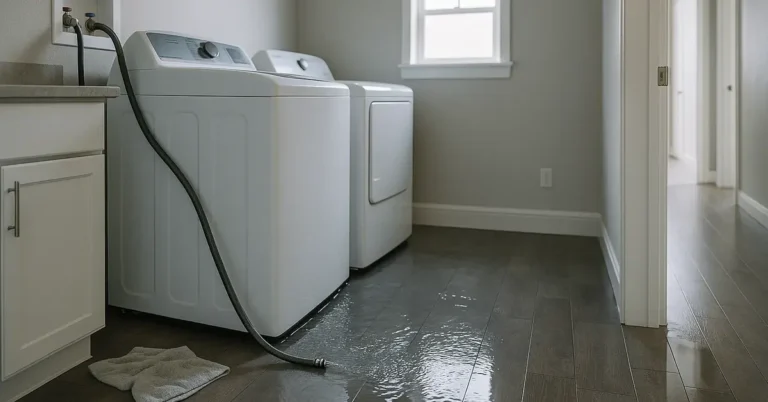
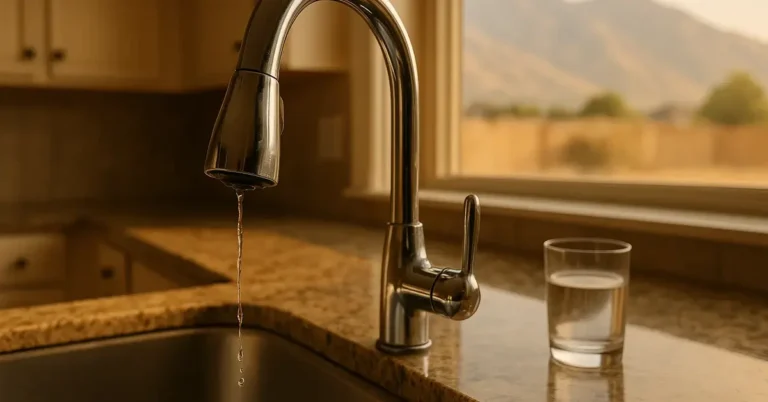
You just moved to Lehi from out of state. Spring arrives. Your neighbors turn on their sprinklers, and you get a bill for two different water lines — culinary and secondary. One’s drinking water. The other runs your sprinklers for way less money. Then someone mentions backflow preventers and cross-connection violations. Suddenly this “cheap irrigation water” feels like a plumbing minefield. If you’ve never lived with secondary water, it can be confusing. But once you know the basics, the safety rules, and when to call a plumber, it’s pretty straightforward.
Give us a call at (801) 997-8909 if you’ve got questions about your secondary water plumbing — we’re happy to walk you through it.
What Is Secondary Water in Utah?
Secondary water — also called pressurized irrigation in Utah — is untreated surface water sent through a separate pipe from your culinary water. Utah has around 260,000 locations using it. That’s one of the largest urban irrigation systems in the country. It comes from reservoirs, canals, and surface water managed by districts like Weber Basin and Central Utah Water Conservancy.
Here’s the culinary vs secondary water difference: culinary water is treated to EPA drinking standards. Secondary water is not. It’s safe for lawns, gardens, and landscaping — but it’s illegal to drink, cook with, or let it mix with your household plumbing. Think of it like two separate systems running to your house. One for inside use, one for outdoor watering.
These systems run seasonally in most areas. Typically mid-April through mid-October. Dates vary by city and by year. In 2026, delayed startup (May 15 in some areas) happened due to drought and low snowpack. When the city shuts off secondary water in fall, your sprinklers stop until the following spring.
Your water bill shows both connections if you have secondary water. The secondary side is almost always cheaper — sometimes two to five times less than running sprinklers on culinary water. That savings is the whole point. While secondary water separates irrigation from indoor use, homeowners often ask about why indoor water pressure drops during summer in Utah.
Which Cities in Utah Have Secondary Water Systems?
On the Wasatch Front, whether you have secondary water depends on where you live. Here’s the breakdown for cities in Ninja’s service area:
Cities WITH secondary water: Lehi, American Fork, Pleasant Grove, Highland, Saratoga Springs, Riverton, Bluffdale, Herriman, Alpine. These cities have established irrigation systems. But not every neighborhood has access — it depends on when your subdivision was built and whether the developer hooked into the secondary system.
Eagle Mountain does NOT have citywide secondary water. We’re based here, so we see the question come up a lot. Some newer developments are adding it. But most Eagle Mountain homes run sprinklers on culinary water.
Pricing varies by city. Some charge a flat monthly rate based on lot size. Pleasant Grove and Highland use this model. Others meter your usage and bill per gallon. Saratoga Springs, Bluffdale, and Herriman fall into this group. Flat-rate cities are switching to metered billing by 2030. That will change how you’re charged but also give you more control over your bill.
How Much Does Secondary Water Cost?
Expect to pay $20 to $50 per month during irrigation season if you have secondary water in Utah. Compare that to running the same sprinklers on culinary water — you’d see bills in the $100 to $200+ range. Secondary water is usually two to five times cheaper. That’s why neighborhoods push for it during development.
Your pricing depends on your city. Flat-rate cities charge based on your lot size, no matter how much water you use. A quarter-acre lot might pay a fixed monthly fee whether you water twice a week or every day. Metered cities charge per 1,000 gallons, like your electric bill. The more you use, the more you pay.
Here’s where the 2030 metering law matters. Utah Code 73-10-34 requires all secondary connections be metered by January 1, 2030. Cities on flat-rate billing will switch to usage-based pricing. The state put $250 million in grants to fund meter installations. Most homeowners won’t pay for the hardware. But your billing will shift from a fixed fee to variable pricing based on use.
What does that mean for your wallet? Heavy users on a flat-rate plan might see bills go up. Light waterers will likely pay less. Data from cities that already made the switch shows 25-40% less water use once people see their actual numbers. Turns out we waste less when we’re paying per gallon.
Why Cross-Connections Are Illegal (And Dangerous)
A cross-connection is any point where secondary water can flow backward into your culinary water supply. It’s illegal under Utah’s plumbing code. It’s dangerous for one simple reason: secondary water isn’t treated to drinking standards. It can carry bacteria, algae, sediment, and farm runoff from upstream sources. When that water gets into your household plumbing and you drink it, cook with it, or shower in it, you’re exposing your family to contamination.
Cross-connections have caused documented illness outbreaks in other states. Utah’s strict backflow prevention rules exist because we have one of the largest dual-source water systems in the country. That’s 260,000 connections. Each one is a potential contamination point if the infrastructure isn’t maintained correctly.
State plumbing code requires backflow prevention devices. Specifically, RPZ (Reduced Pressure Zone) assemblies. These go on any property with both culinary and secondary water. They act as a one-way valve. Water flows out to your irrigation system. But if pressure reverses — say, during a main break or when the city shuts off supply — the backflow preventer stops secondary water from siphoning back into your drinking water lines.
Backflow preventers must be tested annually by a certified tester. This isn’t optional. It’s a code requirement. Most cities track testing compliance and send notices if you’re overdue. The test confirms the device is still working correctly and hasn’t broken or frozen over winter.
What Is a Backflow Preventer?
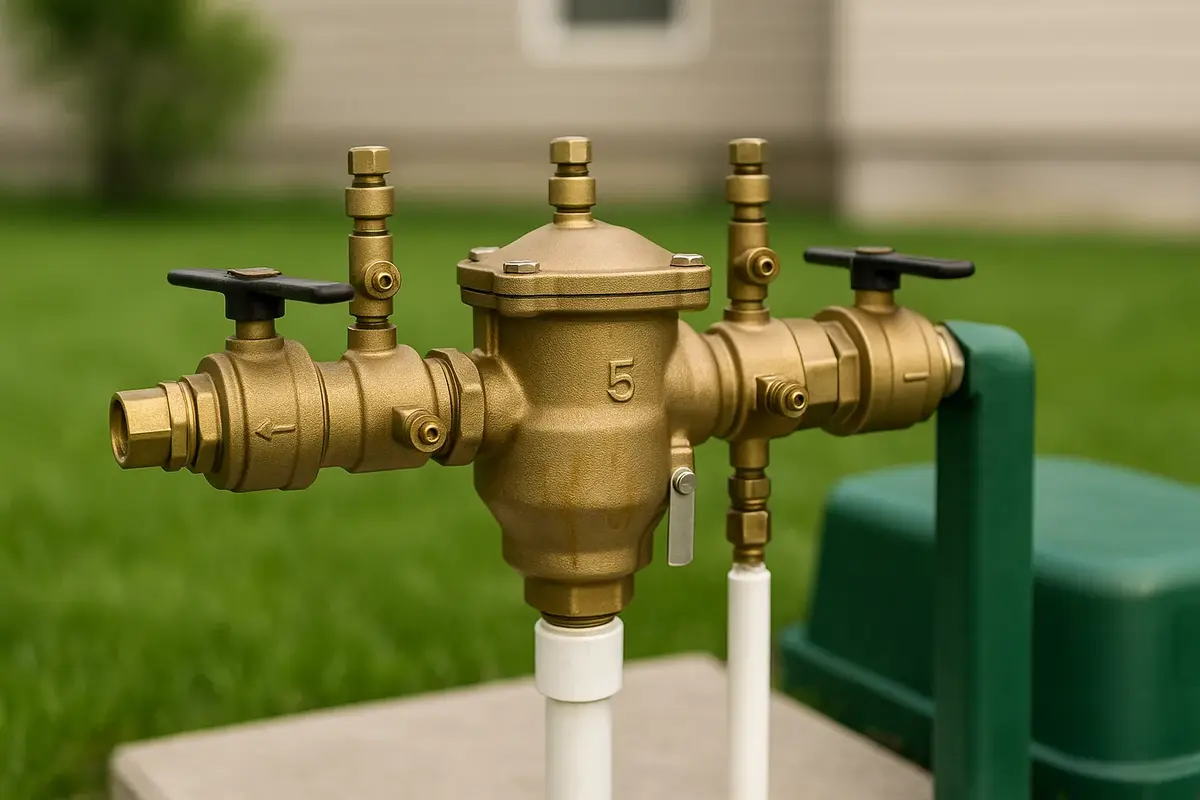
An RPZ backflow preventer is a brass assembly about the size of a shoebox. Usually installed above ground near your water meter or along the secondary water line entering your property. It has two check valves and a relief valve in between. When the upstream pressure drops below the downstream pressure — which would normally suck water backward — the relief valve opens. It dumps the water onto the ground instead of letting it flow back into the culinary supply.
You’ll see these devices mounted on stands or concrete pads in front yards. Sometimes enclosed in green protective boxes. They need to be accessible for annual testing. Burying them or boxing them in permanently is a code violation. Need a backflow preventer installed or tested? Give us a call at (801) 997-8909. We handle backflow preventer installations at a flat rate of $2,850. We can also connect you with certified testers for annual inspections.
Common Secondary Water System Problems
We’ve been servicing homes across the Wasatch Front for over 20 years. Secondary water systems have their own set of recurring issues. Most aren’t emergencies. But a few can turn into one fast if you don’t catch them early. Here’s what we see in the field.
Clogged Filters and Dirty Water
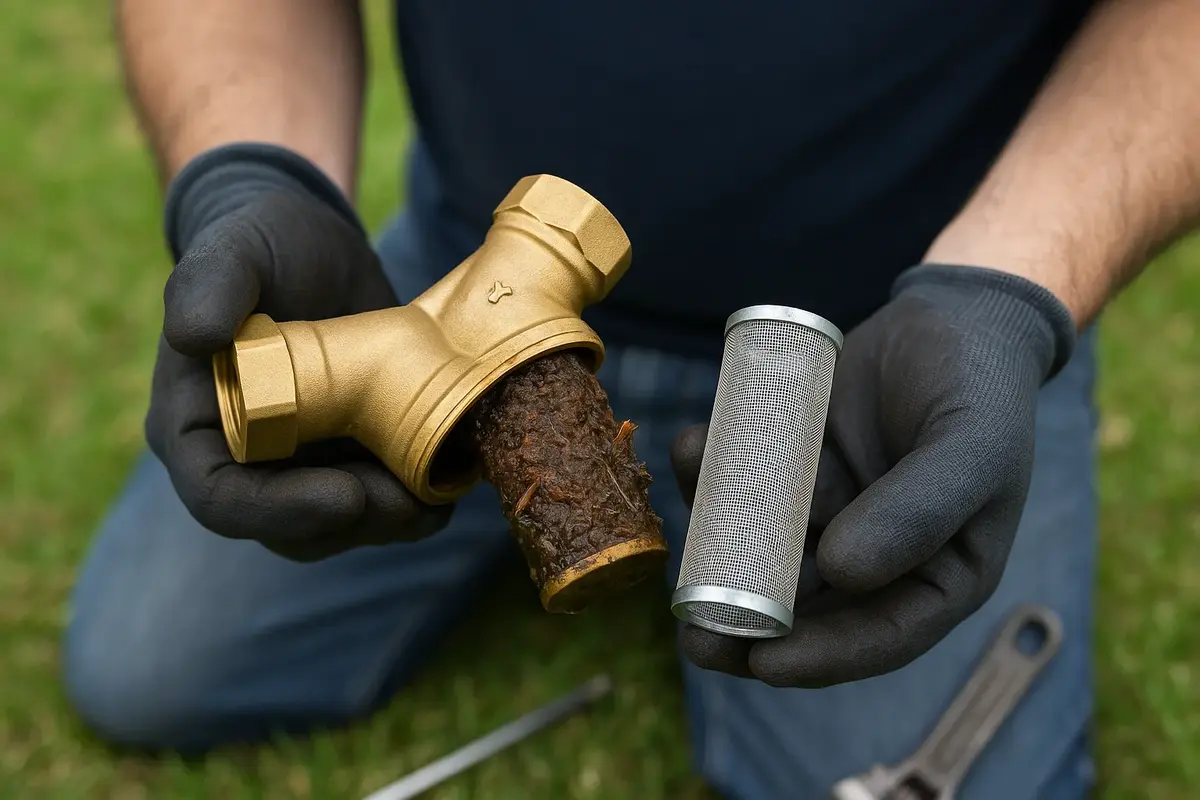
Untreated water carries sediment, algae, debris, and whatever else is floating in the reservoir that week. If your sprinkler water looks brown, smells like a pond, or leaves residue on your driveway, that’s normal. It’s surface water, not tap water. But that sediment will clog your system if you don’t filter it.
Install a filter immediately after your shutoff valve. Before the water reaches your irrigation valves or sprinkler heads. A 500-micron Y-filter is the minimum. Clean it monthly during peak season. More often if you’re seeing dirty water. Utah’s hard water (300-400+ ppm in many areas) makes the problem worse. Mineral deposits stick to sediment and clog filters faster. If you’re dealing with hard water damage throughout your home, our guide on whether Utah homes need a water softener walks through solutions and ROI.
Skip this step and the sediment travels downstream. It clogs your sprinkler heads, valves, and drip lines. Cleaning a filter takes five minutes. Replacing clogged sprinkler heads across your whole yard takes an afternoon.
Low Pressure or No Water
Spring startup is when we get the most calls about “my secondary water isn’t working.” First question: has your city turned on the seasonal supply yet? Check your city’s water department website or call them directly. Some years the startup gets delayed by drought or infrastructure work.
City confirms the supply is on? Check your main shutoff valve. It should be fully open. When it’s partially closed or stuck, you’ll see low pressure or no flow, one of the common causes of low summer water pressure in Utah homes. Next, check your filter. A clogged filter chokes off pressure just like a kinked hose.
Still no water? Time to call your city water department first. They can confirm whether the issue is on the supply side or on your property side. Broken line or valve failure in the city’s system? They handle it. Problem on your side? That’s when you call a plumber. We handle secondary water line repairs, valve replacements, and pressure diagnostics — call us at (801) 997-8909.
Frozen or Burst Lines
Winters in Utah drop below zero regularly. Secondary water lines often run shallow. They’re not required to be below the frost line like culinary water pipes. Drain your system before the first hard freeze. Otherwise the water inside expands and cracks the pipe. You won’t know until spring startup when water starts gushing out of the ground instead of reaching your sprinklers.
We see the damage from winter every spring. A cracked line underground, a split valve, or a burst fitting. Turn on your secondary water and see water pooling in your yard or hear running water but no sprinklers? Shut off the main valve immediately and call a plumber. A small crack can flood your yard and damage your foundation if you leave it running.
Fall shutdown checklist: close your main shutoff valve, drain the lines if possible, and protect any exposed backflow preventer with insulation or a cover. That ten-minute task in October prevents a $500+ repair bill in April. For more on protecting outdoor plumbing during winter, see our outdoor faucet winterization checklist.
Sprinkler Heads Not Working
Sediment clogs sprinkler heads faster with secondary water than it would with culinary water. A few heads aren’t popping up or they’re spraying unevenly? Pull them out and rinse them under a hose. Check the filter screen inside the head. It’s probably packed with sediment.
Before you start replacing heads, check your filter at the main line first. When the filter is clogged, cleaning it will restore pressure to all the heads at once. Individual heads still clogged after that? Then clean or replace them. This is an irrigation system issue, not a plumbing supply issue. Most sprinkler companies can handle head replacements. But low pressure from the supply line or a valve failure feeding the zone? That’s plumbing territory.
How to Maintain Your Secondary Water System
Seasonal attention keeps secondary water systems running smoothly. Here’s the maintenance rhythm that prevents most of the problems we see:
Spring startup (mid-April to May): Inspect your main shutoff valve and confirm it opens fully. Check your filter and clean it before turning on the system. Test your backflow preventer or schedule annual testing if it’s due. Walk your property and look for wet spots, broken sprinkler heads, or damaged pipes from winter freeze-thaw cycles. Fix any issues before you start running the system regularly.
During the season (May through September): Clean your filter monthly. More often if you see dirty water or pressure drops. Watch for unusual wet spots in your yard. These could signal a slow leak. Pressure drops suddenly or water quality changes? Check your filter and shutoff valve before you assume it’s a city supply issue.
Fall shutdown (September through October): Close your main shutoff valve. Drain the lines if your system design allows it. Many irrigation controllers have a manual drain cycle. Protect your backflow preventer if it’s above ground and exposed to weather. Insulation sleeves or protective boxes prevent freeze damage to the device itself. For a complete seasonal checklist, see our spring plumbing inspection guide and irrigation startup checklist.
Maintenance takes maybe an hour total across the whole year. Skipping it costs you in emergency repairs, wasted water, and dead landscaping.
What the 2030 Metering Requirement Means for You
HB 242, passed in 2022, requires all secondary water connections be metered by January 1, 2030. That’s Utah Code 73-10-34. Flat-rate cities are switching to usage-based pricing. You’ll get a meter installed. Likely at no cost to you, since the state put $250 million in grants to fund the hardware. Your billing will shift from a fixed monthly fee to variable pricing based on how much water you use.
Why the law? Conservation. Cities that already installed meters saw water use drop 25-40% once people see their actual numbers. Flat-rate billing encourages waste. There’s no financial penalty for overwatering. Metered billing gives you control. Water less, pay less.
For most homeowners, this is a net win. Already conservative with watering? Running sprinklers a few times a week based on weather, not every day on a timer? You’ll likely save money compared to the old flat fee. Heavy user? Your bill might go up. But you’ll have the data to adjust your habits and bring it back down.
Expect your city to start outreach and installation in the next couple years. Meters usually get installed near your shutoff valve. The installation is quick — a few hours at most. Your billing format changes, but the water source and infrastructure stay the same.
When to Call a Plumber for Secondary Water Issues
Some secondary water problems are DIY fixes. Cleaning a filter, adjusting a sprinkler head, opening a stuck valve — those are homeowner tasks. But a few situations require a licensed plumber immediately.
Burst pipes, frozen lines, or valve failures: Water gushing out of the ground, pooling in your yard, or visibly leaking from a valve or fitting? Shut off the main valve and call a plumber. These are plumbing emergencies. They can flood your property and damage your foundation if left running.
Backflow preventer installation or annual testing: Installing an RPZ assembly requires a licensed plumber. Annual testing requires a certified backflow tester. This isn’t a DIY project. The device protects your drinking water. Improper installation or testing can leave you open to cross-connection contamination.
Cross-connection concerns or suspected contamination: Think secondary water has mixed with your culinary water? Maybe you taste or smell something off in your tap water after turning on irrigation. Or you see dirty water coming from indoor faucets. Shut off both systems and call a plumber immediately. This is a health hazard.
Pressure issues that aren’t filter-related: Cleaned your filter, confirmed the city supply is on, and you’re still getting low pressure or no water? The issue might be a buried line failure, a stuck valve underground, or a problem with your backflow preventer. That’s plumbing diagnosis work.
When in doubt, call us at (801) 997-8909. We’ll help you figure out whether it’s a city issue, an irrigation system issue, or a plumbing issue. If it’s the latter, we’ll get it fixed.
Frequently Asked Questions About Secondary Water in Utah
Is secondary water safe to drink?
No. Untreated surface water is not safe for drinking, cooking, or any indoor use. It’s only for outdoor irrigation.
How do I know if I have secondary water at my house?
Check your water bill. It will show two separate water charges if you have both culinary and secondary connections. You can also look for a second water meter or shutoff valve near your property line, often labeled “irrigation” or “secondary.”
When does secondary water turn on in Utah?
Systems typically turn on mid-April and shut off mid-October. But dates vary by city and by year. Drought conditions in 2026 delayed startup to May 15 in some areas. Check your city water department’s website for exact dates.
Why does my secondary water smell bad or look dirty?
Reservoir and canal water carries sediment, algae, and organic matter. That’s normal. Install a filter after your shutoff valve to catch debris before it clogs your sprinklers.
Do I need a filter for secondary water?
Yes. A 500-micron minimum filter installed immediately after your shutoff valve will protect your irrigation valves and sprinkler heads from sediment clogs. Clean it monthly during the season.
Can I use secondary water in my vegetable garden?
Yes, but avoid spraying edible crops directly if possible. Untreated water may carry bacteria. Drip irrigation at the soil level is safer than overhead sprinklers for vegetables.
What happens if secondary and culinary water mix?
Contamination of your drinking water. It’s illegal and dangerous. That’s why backflow preventers are required by code. They stop secondary water from flowing back into your culinary supply during pressure changes.
How often should I clean my secondary water filter?
At least monthly during peak irrigation season (May through September). More often if you see dirty water or pressure drops. Reservoirs turn over in spring and early summer, making those months the dirtiest.
Conclusion
Secondary water saves Utah homeowners serious money on irrigation. But it only works if you understand the infrastructure and maintain it safely. Cross-connection prevention isn’t optional. It’s the law, and it protects your drinking water. Seasonal maintenance prevents most problems. Knowing when to call a plumber versus when to call the city saves you time and frustration.
Ninja handles the plumbing side of secondary water systems — backflow preventer installations, cross-connection inspections, burst line repairs, and spring startup diagnostics. We’re family-owned, Utah state licensed, and we’ve been serving the Wasatch Front for over 20 years. Give us a call at (801) 997-8909 — we’re open 7 days a week, and the $49 weekday dispatch fee (9 AM-5 PM) is applied to your repair.